SGA discusses members’ free speech, approves funding for Parents Weekend Crab Fest and charity 5K
By LUCINDA COSTELLO-KUMFER | 22 hours agoOn Tuesday, September 24, the Student Government Association (SGA) convened for its weekly meeting.

On Tuesday, September 24, the Student Government Association (SGA) convened for its weekly meeting.

The News-Letter examined the contents of the framework in regards to previous actions or statements by Daniels and events that have happened under his leadership. The following bolded sections are taken directly from McMahon’s framework and were chosen due to their relevance to Hopkins history and current events.

The renovated MSE will have upgraded spaces for seminar, group study and teaching. It will continue to house print collections, provide research consultations and produce instructional support and data.

Ultimately, Hopkins fell short of creating true student centers with previous attempts. Their solution was to create BSC. Even so, BSC remains primarily a study area, contrary to the administration’s stated goal of creating a student union that would foster a vibrant community.


On Thursday September 10th, Hopkins held the Campus Store Grand Reopening Celebration, an event that welcomed individuals to see the new layout and amenities of the campus bookstore.

On Friday, September 11, the Aronson Center for International Studies hosted the first talk of their Fall 2026 speaker series. Ryan Calder, an associate professor in the Department of Sociology, hosted a talk titled “The Arab Gulf States, Global Energy Markets, and the 2026 U.S. Midterm Elections.”

The small pedestrian bridge in Wyman Park, over the Stony Run stream, reopened in late August. The bridge is located in the northern part of the park and connects a trail that runs east to west across the park.

On Tuesday, Sept. 8 the 114th Student Government Association (SGA) convened for their third weekly general body meeting (GBM) of the academic year, where they confirmed four members of the Committee on Student Elections (CSE) and considered changes to its attendance policy, funding and caucus-representation rules.
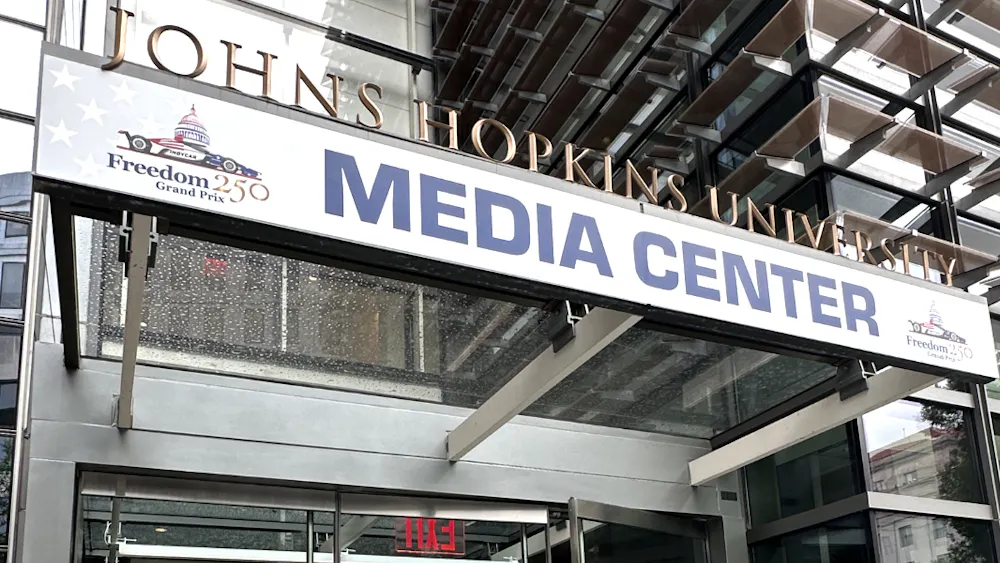
The IndyCar Freedom 250 Grand Prix took place in Washington, D.C. on August 23. The motor race marks the latest event in a series of “Freedom 250” branded events announced by the Trump administration to commemorate the 250th anniversary of the founding of the United States. The event was first announced in January, after an executive order signed by President Donald Trump sanctioned the race. The grand prix took place in a temporarily constructed circuit in Washington D.C., centrally located near landmarks like the National Mall and the Capitol Building.

Ronald J. Daniels is the President of Johns Hopkins University. On May 8, President Daniels spoke with The News-Letter in an exclusive interview discussing the University’s 150th anniversary, campus construction, federal funding cuts, global conflicts and more.
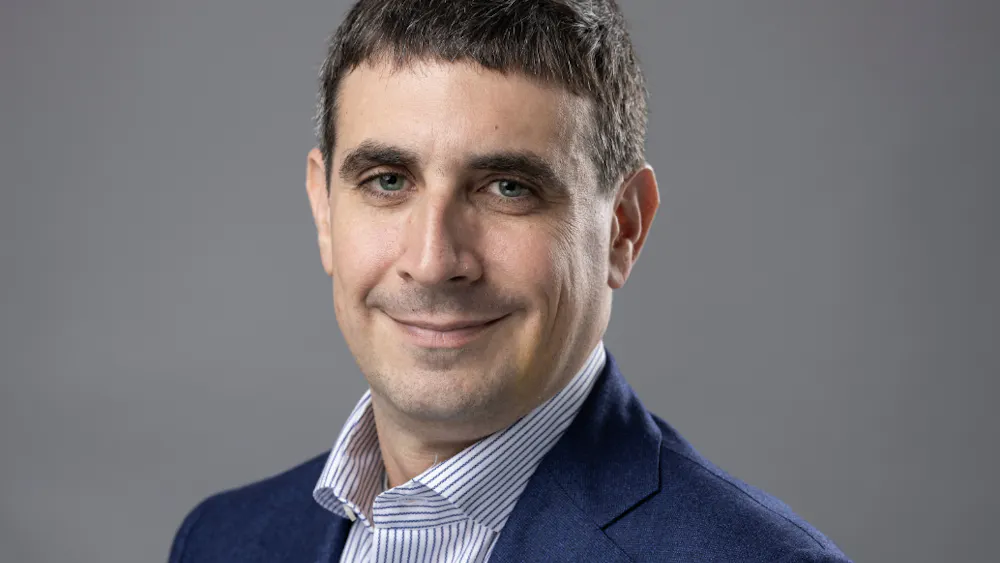
Mike Spector is an investigative reporter for Reuters’ legal team, where he covers legal and political news, and a former Editor-in-Chief of The News-Letter. In an interview with The News-Letter, Spector reflects on his time at Hopkins, his career in journalism and his recent accomplishment in winning the 2026 Pulitzer Prize in Journalism for National Reporting.

From Thursday, April 23 to Saturday, April 25, the Hopkins Organization for Programming (HOP) hosted its annual Spring Fair. In addition to the Spring Fair’s headlining concert featuring the rapper Gunna, students participated in a vast array of events organized by the HOP over the course of the fair.
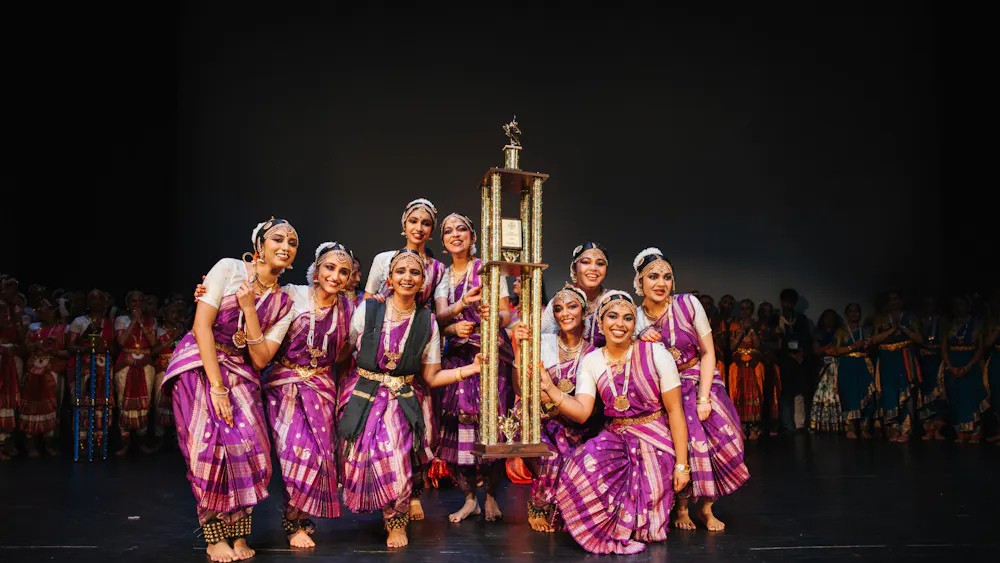
On April 4, 2026 the Shakti dance team won first place at the 2026 Origins National Dance Competition in Trenton, New Jersey. This marked the team’s second consecutive national title, as it had also won the 2025 competition in Chicago.

On April 17, the Hopkins Organization for Programming (HOP) hosted a countdown to reveal the headliner of the 2026 Spring Fair Concert. Held on the Beach at 8:30 p.m., the event attracted at least 100 students and featured free food and a VIP Ticket Giveaway.

The University has formally publicized its commitment to providing an accessible campus environment to students, faculty, staff and visitors with disabilities in compliance with the 1990 Americans with Disabilities Act (ADA). The ADA prohibits discrimination based on disability, instituting space and conduct guidelines for physical and mental disabilities.

On Thursday, April 9, The News-Letter sat down with the team behind the platform, juniors Arthur Park and Barna Marczali, Dayli’s chief executive officer and chief operating officer, respectively, to discuss the app and their future goals.

On Saturday, April 4 the Blue Jay Bhangra (BJB) team competed at the highest level of collegiate Bhangra: Bhangra Blowout, a national bhangra competition that brings together eight of the top collegiate teams in the country.

Today, the APL continues to operate, working in the fields including but not limited to global health, cyber operations, missile development and spacecraft formulation. Their mission states that, in addition to working to improve scientific discoveries, they are organized to address “unique sponsor” needs and find solutions to the “nation’s most complex challenges.”

On Thursday, April 9 the International Studies program’s Aronson Center hosted a panel discussion titled “Perspectives on the War in the Middle East: Faculty Analysis & Student Discussion.” The discussion featured professors Steven David, Sebastian Schmidt, Adria Lawrence and Sarah Parkinson.