Published by the Students of Johns Hopkins since 1896
April 28, 2026
April 28, 2026 | Published by the Students of Johns Hopkins since 1896

Science & Technology


Alex  Lapuerta/cc-by-2.0
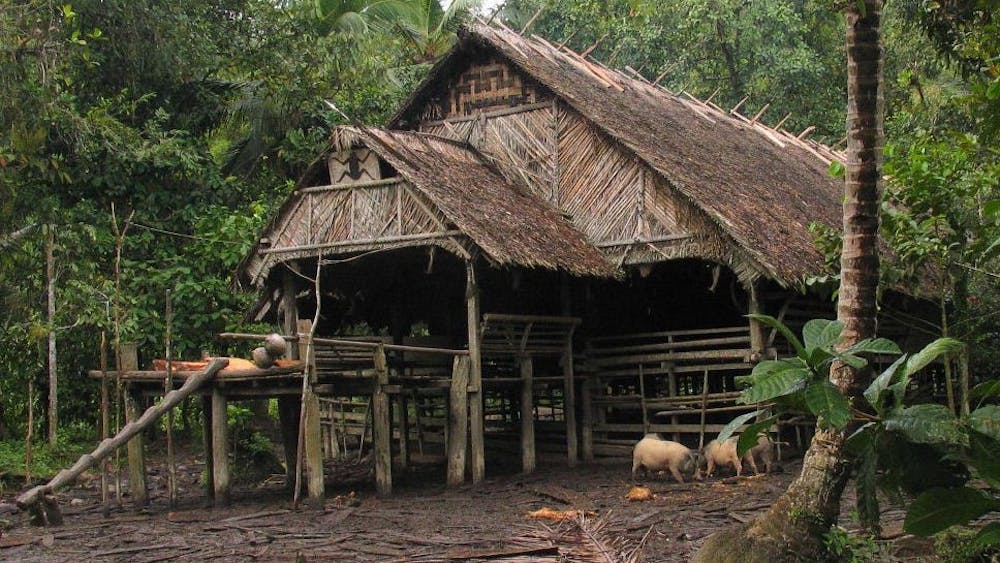
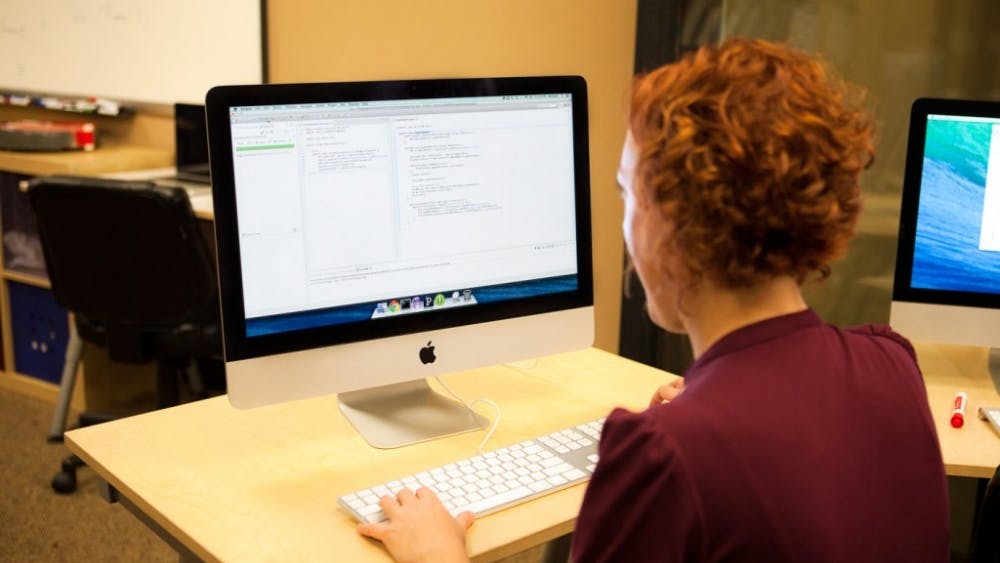
Bacteria in village homes are different from those in urban homes.

Microbiomes are influenced by the environment

We all carry a unique assemblage of bacterial colonies in and on ourselves that we began to collect before we were born and that continues to evolve as we pass through life. This “microbiome” helps us to fend off pathogenic bacteria and keeps us healthy. However, it can also cause health problems.


 zhouxuan12345678/cc-by-sa-2.0
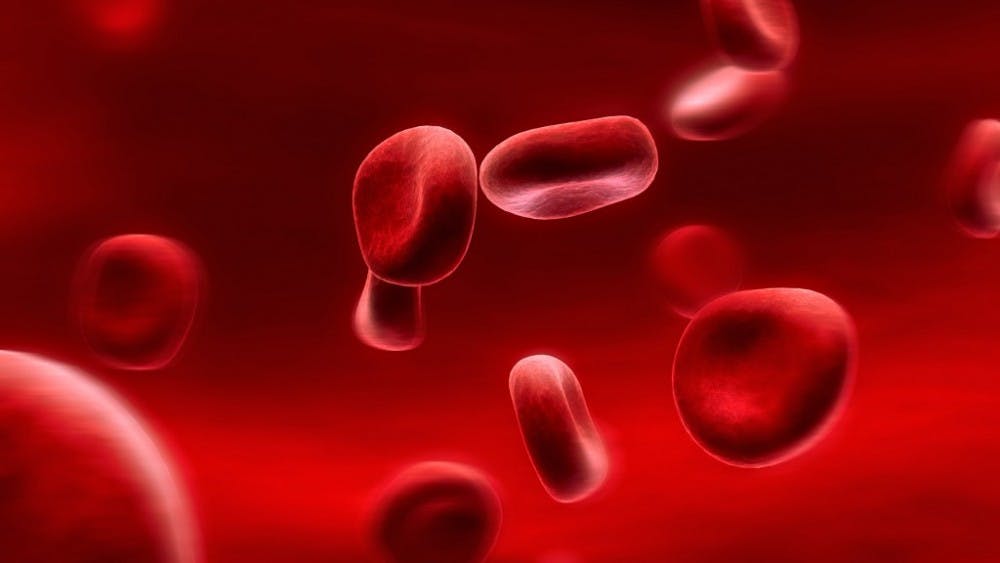
Elevated iron levels in the blood may be harmful for human cells.

High blood-iron concentrations may be harmful to cells

Iron is vital to bodily function, playing an important part in oxygen transport and metabolism. However, nutritional deficiencies or excessive bleeding can cause iron deficiency anemia in patients. Those who are anemic may feel tired or lethargic. Currently, millions of people who have iron deficiencies take iron tablets to supplement their iron intake.


Scientists catalog more rare Earth minerals

A recent catalog of rare Earth minerals revealed that the total quantities of some of these minerals have a smaller volume than a sugar cube. However of the over 2,500 minerals in the catalog, many hold information that is crucial to understanding how the Earth formed. Robert Hazen, a researcher at the Carnegie Institution for Science, argues that while many people dismiss these rare minerals because they are so minimal in quantity, these minerals tell us how the Earth differs from the Moon, Mars and other planetary bodies. These uncommon minerals found only on our planet hold the key to knowing what makes Earth so special.


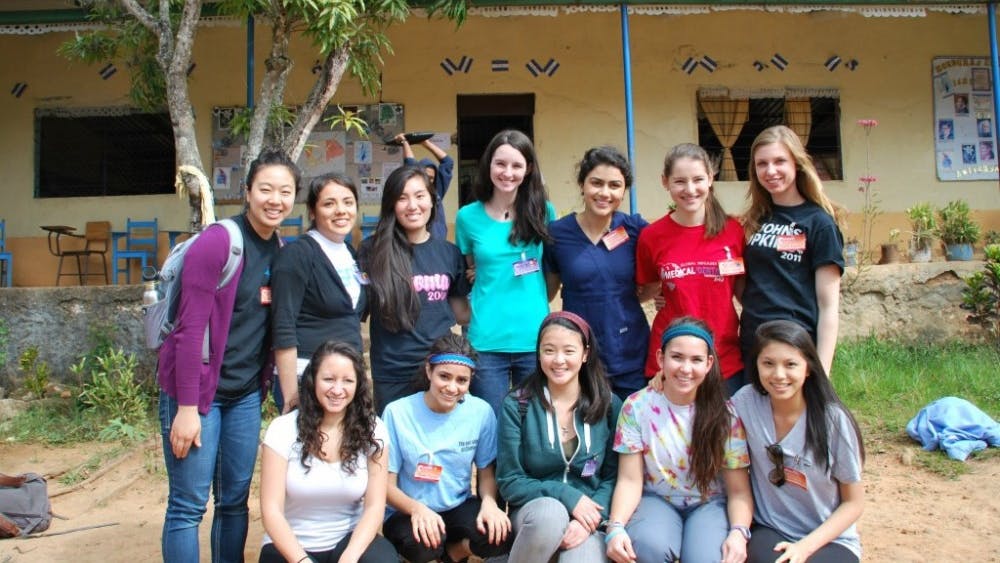
 Courtesy of nirali chauhan
Hopkins students traveled to Honduras this past Intersession to serve in a temporary clinic.

Global Brigades group volunteers in Honduras

During Intersession, 25 students spent six days in Honduras sorting medications, shadowing doctors, seeing patients and running a temporary clinic for nearby citizens. The medical care they provided motivated citizens from all over the area to travel to the temporary clinic. Some citizens were rumored to have walked for over two hours to receive the medical care that Hopkins students were helping to deliver.


The food we eat may influence our genes

A recent study from the University of Cambridge and the Francis Crick Institute in London has provided evidence that almost all of our genes may be influenced by the food we eat.


Flint lead poisoning crisis caused by pipes

Lead poisoning resulting from the man-made health disaster in Flint, Mich. continues to affect a community of about 99,000 people. While Michigan’s state officials have switched back the water supply source from the Flint River to the Detroit water system fed by Lake Huron, the aged pipes of many service lines, corroded by the polluted water from Flint River, are still leaching lead into the water. This has forced Flint residents to rely on donations of bottled water for clean drinking water.


Hopkins to perform first HIV transplants

The Johns Hopkins Hospital recently revealed that it is ready to perform kidney and liver transplants between HIV-positive donors and HIV-positive patients. The hospital, which received approval to conduct this procedure from the United Network for Organ Sharing, will be the first hospital in the U.S. to perform an HIV-positive kidney transplant and the first in the world to perform an HIV-positive liver transplant.


PETER VAN DER SLUIJS/CC-BY-SA-3.0
Zika virus is a serious health concern for pregnant women and women planning on having children.

New study links Zika virus to fetal microcephaly

First discovered in Uganda in 1947 as a mosquito-borne virus that caused a brief, mild illness, the Zika virus’s notoriety has expanded significantly as it continues to live up to its recent designation by the World Health Organization as a global public health emergency.


JASONESBAIN/CC-BY-2.0
Tasers make electric arcs between their electrodes.

Individuals show mental deficits after being Tasered

Let’s say you’ve just been Tasered and arrested by a police officer. As you lay there, dazed and in shock, the officer handcuffs you and reads you your Miranda rights. He asks you if you understand them, and you likely nod or reply a shaky “yes.” You can now be interrogated, and your words can be used against you.


 CLASS SCIENCE TEAM
Ground was broken last spring at CLASS’s site in the Chilean desert.

Gravitational waves discovered

Cosmologists announced on Feb. 11 that they have detected ripples in space-time called gravitational waves. This confirms predictions made a century ago by Albert Einstein and provides an entirely new way to observe the universe.


 AleSpa/cc-by-sa-3.0
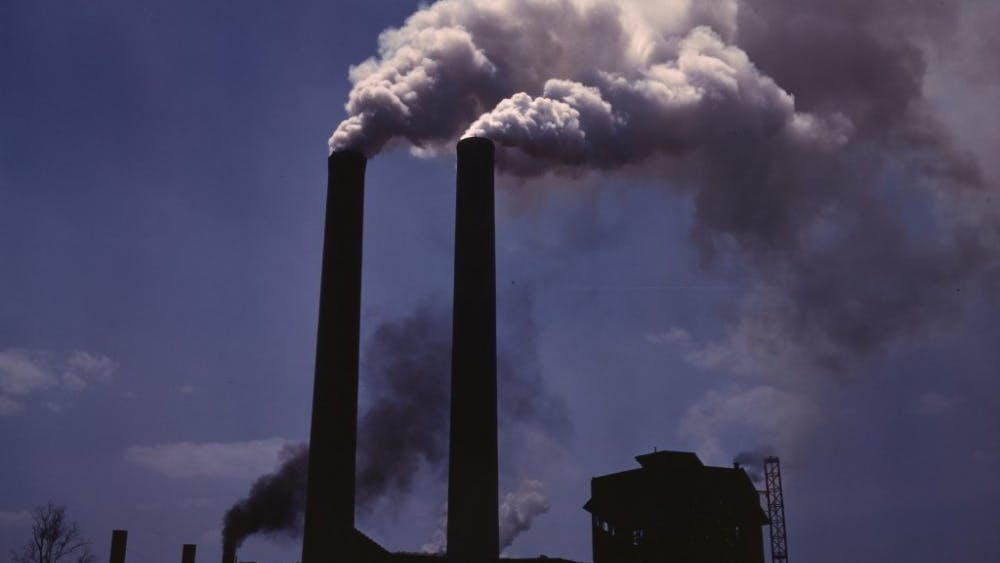
At the Conference of the Parties, the U.S. pledged to dramatically reduce greenhouse gas emissions by 2030

U.S. may yield more renewable energy by 2030

On Nov. 30, the Conference of the Parties (COP), consisting of over 190 countries, met in Paris to reduce the effects of climate change. By Dec. 12, this meeting had resulted in an agreement to hold the increase in global average temperature to two degrees Celsius above pre-industrial levels. For the United States, this involved a pledge to reduce greenhouse gas emissions by 28 percent below 2005 levels.


 nasa/jpl-caltech/public-domain
The impact between Earth and Theia, a planet-like object, was likely head-on rather than angled.

Moon was formed by a head-on collision

Geochemists from the University of California, Los Angeles (UCLA) have reported that the moon was formed by a colossal collision between the Earth and a “planetary embryo” called Theia roughly 100 million years after the Earth formed. While scientists were aware of this collision for quite some time, many thought that the Earth and Theia collided at an angle of 45 degrees or more. However, new evidence suggests that the impact was more likely entirely head-on.


News-Letter Magazine