Last weekend, I was convinced (read: dragged) to go out by a high school friend who was in town. So I left the comfort of my stuffed-animal-filled bed and put aside my sacred 9 p.m. bedtime to go out on the town and relive my undergraduate days for one night only.
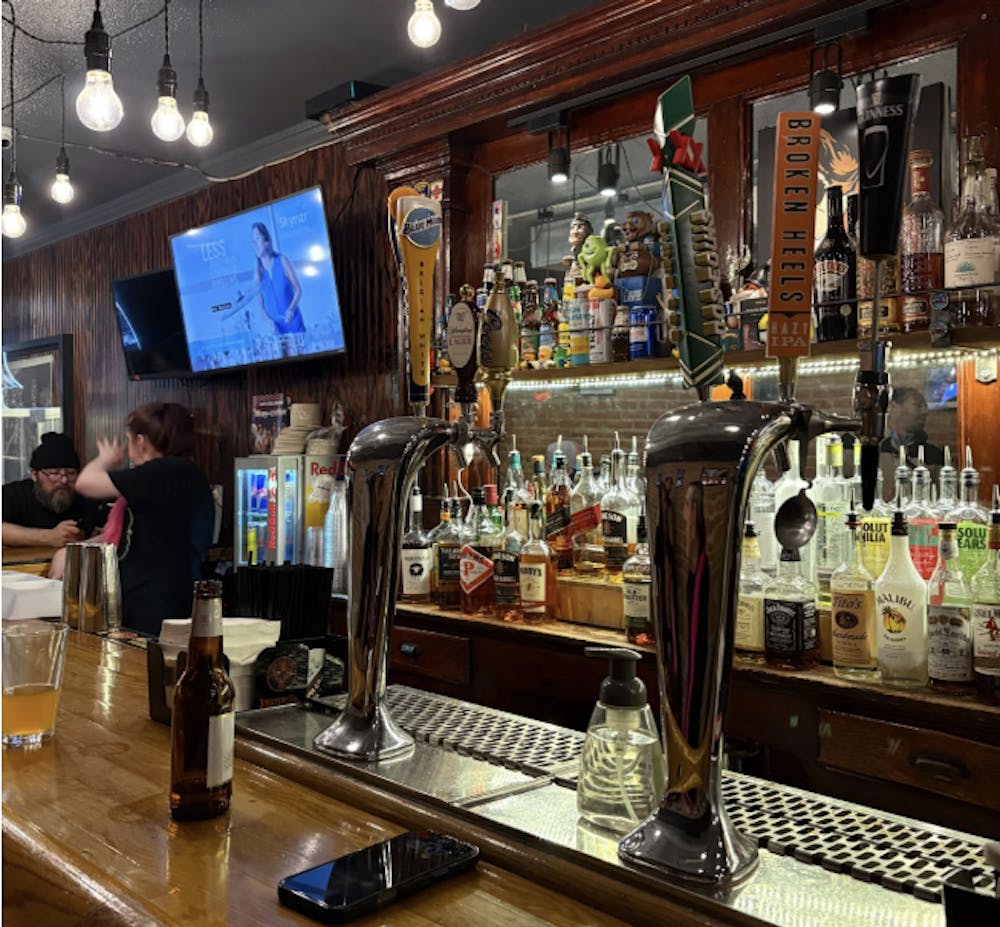
After a quick round of introductions and about twenty names I immediately forgot, our group ended up at a bar in Fells Point. When my friend went to use the restroom, I found myself waiting for a drink at the bar with one of those new strangers. It turns out, they were the type to skip past all the small talk and get right to the details. Before even asking for my name, they turned to me and asked for my deepest darkest secret. And when they refused my attempts at a neutral, shallow answer, I was forced to divulge a real piece of myself. For a socially-anxious introvert like myself, this sounds like my worst nightmare. Yet, the experience was strangely freeing.
Fully convinced that I would never see this stranger again, I found my usual walls falling away as I shared an honest, unfiltered part of myself. In the end, I spent a lovely evening talking openly with a stranger, without fear, and for once, letting myself be seen.
The fact is, it is easy to be brave with someone you will never see again. If the conversation turned awkward, I always had the option to walk away. The lack of their concrete connections to my life mollified the terror that accompanied true vulnerability.
Looking back, many of my friendships do in fact start out like this; a chance encounter that evolves into something intentional. Yet, the second they become a friend, something shifts. Too often, I find myself hiding behind shallow small talk, behind carefully curated masks I display to others. As my brain sees it, I now have something to lose. There are now long-term social consequences to my actions. Ramifications for the truths I tell. With new stakes, I desperately try to maintain the status quo and stick with what works. I try to freeze the friendship in its current familiarity, but in the process I draw the shutters on the real person who drew them in in the first place.
In reality, true friendships aren’t constant. They can’t be. And yes, this does mean that they fade sometimes, but it also means that they change and grow. They are dynamic like the rough, imperfect people that make them up. Plateaus feel stable, but in reality stagnation suffocates friendships.
Moreover, as my friends become familiar, I feel as if the permission to ask deep, probing questions disappears. I assume I know the person they are
Yet the friends I appreciate the most are the friends who ask me questions that I don’t know the answers to right away. The kinds that make me think, and elicit an answer from me that I didn’t know I had. We stop being “curious” about the people we’ve spent enough time with, or with whom we believe we are close enough to. Even when, usually, that’s far from the truth — there is so much left unknown and unshared. Sometimes because they don’t mention it, other times simply because we haven’t bothered to ask.
Instead, we should treat our friends like strangers. We should stay curious. We should get to know them with the excitement of someone new. We should share ourselves without fear.
In the meantime, maybe brief connections with strangers is okay for now. Perhaps opening up to strangers is just the first step. So I will continue to work and patiently wait for the day when I can finally muster the courage to let myself be seen in my full capacity. Until then, I will keep finding beauty in getting to know strangers at bars, in corners at parties and in line at coffee shops.
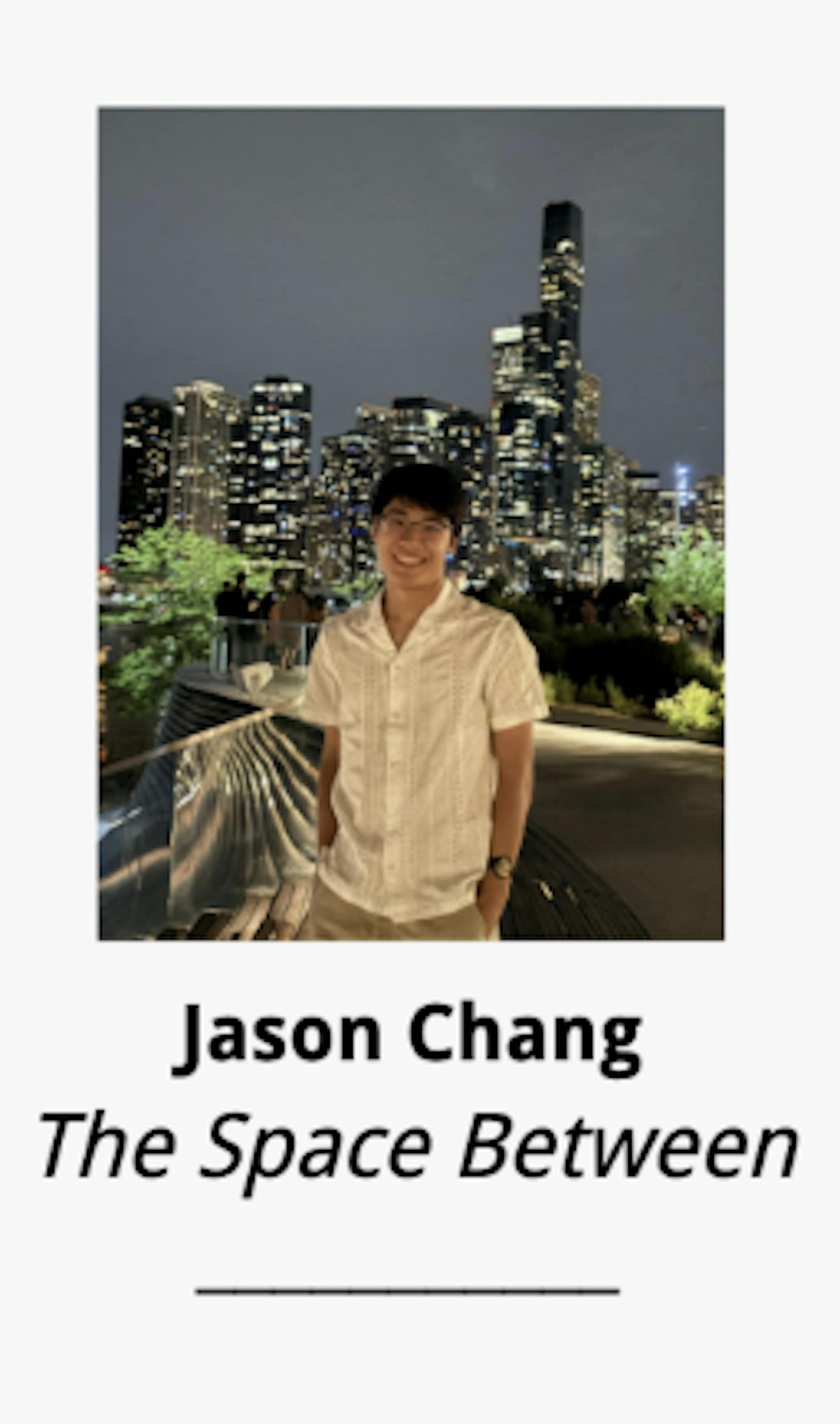
Jason Chang is a graduate student from Woodbury, Minn. studying Chemical and Biomolecular Engineering. His column is a celebration of the quiet moments that linger amid the jumble of our busy lives: moments of stillness, reflection and a space to just exist.