When I was a child, I thought that eating turkey on Thanksgiving was a historical myth, like finding a pot of gold at the end of the rainbow on St. Patrick’s Day or getting hit by Cupid's arrow on Valentine’s Day. Each November, I would make as many hand turkeys as I could possibly fit in my sparkly pink backpack, and then go to my Abuela’s house to eat a traditional feast of pan de bono, empanadas, ajiaco, mazorca, platanos, arroz con leche and jugo de maracuya. Like we all do every year, right?
It wasn’t until third grade that I realized not every family was following the same traditions as mine was. When my best friend told me that she was helping her mother prepare that year’s turkey, I was shocked, probably responding with something along the lines of “My family has never done that,” with an air of eight-year-old superiority. I quickly realized that I was indeed the odd one out, and that not everyone had a special soup to look forward to once a year. How tragic for them. Naturally, I went home and asked my mom why Camryn’s family was eating turkey for Thanksgiving while mine was not, and thus discovered the backstory to explain the lack of stuffing and cranberry sauce at my Abuela’s house each year.
Thanksgiving can be a contentious holiday: not only because your relatives will most definitely ask you about your plans for graduation that you have not thought about at all, but also because of the roots it has in colonization and political oppression. As Colombian immigrants, my family was able to build a better home on land that did not originally belong to the administration that had reluctantly let them cross the border, a country that hoped that they would quickly and seamlessly become as American as possible (although, I must note that their way of doing this was certainly interesting, as my mother was required to take an ESL class at the exact same time that everyone else in her year took U.S. history). Nevertheless, my Abuela, the matriarch, was determined to make the most of the major U.S. holiday by celebrating something else to be thankful for.
Her first fall in the U.S., my Abuela had a potentially cancerous cyst removed. When her lab results came back benign, she decided that the American holiday of gratitude was to become a new family tradition. That year, ready to throw a Thanksgiving feast that Uncle Sam would be proud of, my Abuela marched to her local library and borrowed a traditional Thanksgiving cookbook. She cooked all day, serving up stuffing, sweet potatoes, green bean casserole and, of course, a turkey. After all of that elbow grease, my family hated it. Why would this celebration of thanks involve eating food that did not hold a candle to her arroz con pollo or her sancocho?
That was the last year my family attempted a traditional Thanksgiving, and by the time I was born, the new tradition had been longstanding. As we drench our Colombian food in my Abuela’s homemade aji, we remember all that we do have to be thankful for: health, food on our table, a family to share it with. We get our pan de bono from the local panaderia, and it tastes just like what it feels like to be sitting in my Abuela’s living room, comforting and soft.
This year, before taking the Amtrak back to New York, my friends and I had our own little “Friendsgiving” celebration. We made all of the traditional fixings: mac-and-cheese, mashed potatoes, sweet potatoes with cinnamon and marshmallows, green bean casserole, corn bread and dino chicken nuggets (you can’t really expect us to attempt to cook a turkey in our teeny tiny kitchen).
As a newcomer to this sort of cuisine, I was put on chocolate chip cookie duty. Despite my roommate’s impeccable mac-and-cheese-making skills, and eating until I felt like my stomach could not expand even a slight bit more, I still found myself not understanding the hype of the traditional Thanksgiving supper. I think that I feel similarly towards turkey on Thanksgiving as I do to eggs for breakfast: I know it is traditional, and I certainly wouldn’t mind enjoying it from time to time, but it will never be my first choice.
I feel lucky to have a Thanksgiving tradition that reflects my family’s unique history, the specific things for which we like to give thanks. I am thankful for the flavors and textures of my mother’s homeland, of the Spanish and English that float around my Abuela’s home and mix into one language, and most of all, for the heaping bowls of arroz con leche that remind me of the simple sweetness of sharing a meal together, no matter what day of the year.
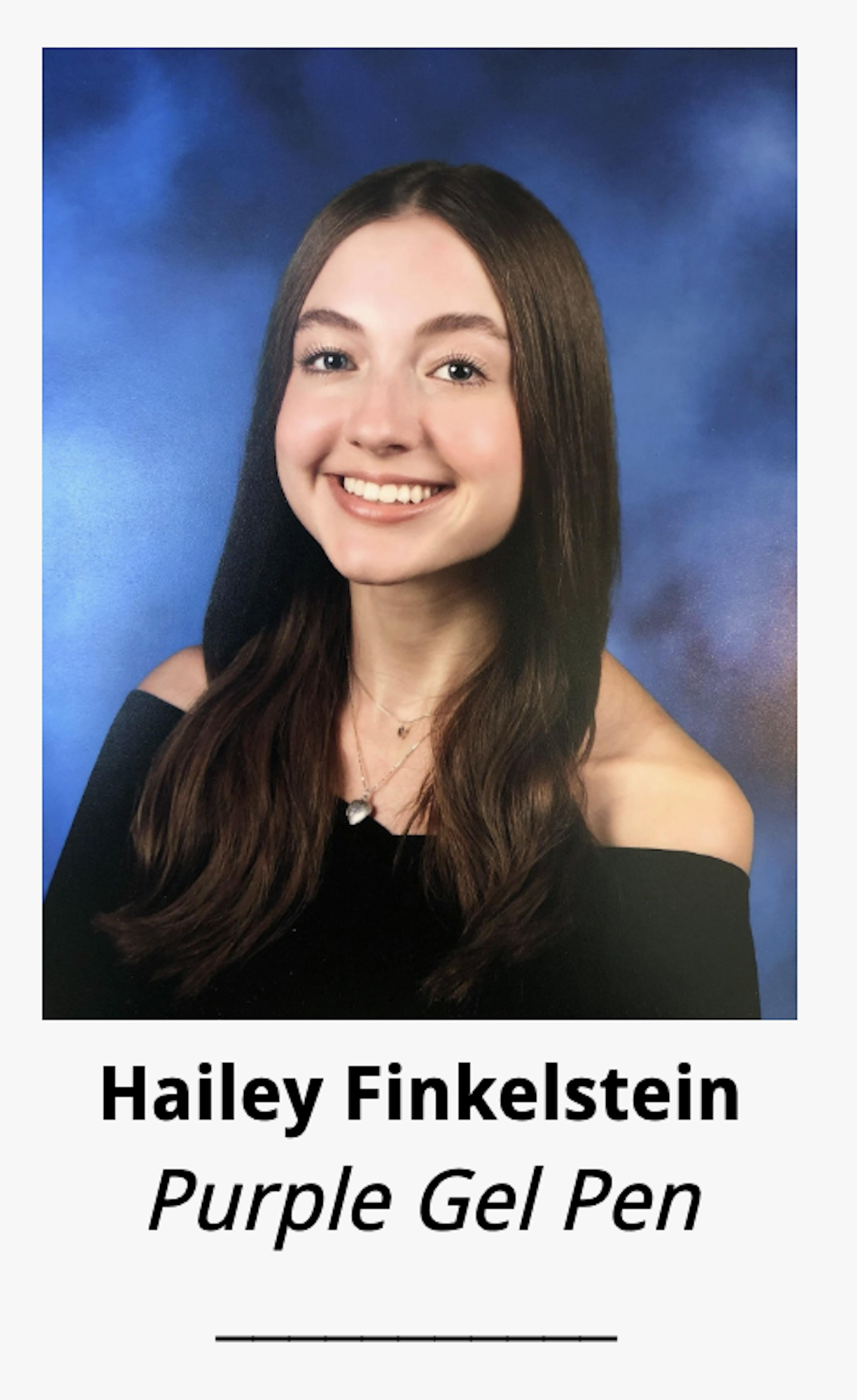
Hailey Finkelstein is a junior from Ardsley, N.Y. majoring in Medicine, Science and the Humanities. Her column shares miscellaneous prose on current issues, the collective Hopkins experience and growing up with a pen in hand.