Every spring semester, the Student Government Association (SGA) organizes campuswide elections to select the next group of student representatives. These elections are administered by the Committee on Student Elections (CSE), an independent body authorized by the SGA Constitution to regulate and oversee all elections. The committee sets election procedures, verifies candidate eligibility and manages the voting process to ensure elections are conducted fairly.
In recent years, SGA elections have struggled with limited student participation. The News-Letter noted that very few candidates ran for Executive Board positions for the 2024–25 and 2025–26 elections — in both years, several races were uncontested. Low election turnout and minimal competition for positions have raised concerns about engagement in student government.
This year, the issue has taken on a new dimension: SGA elections faced a setback due to vacancies and “logistical complications” in CSE. Without a functioning CSE, SGA elections cannot proceed. Student government depends on student participation at every stage of the process. If students want SGA to advocate for meaningful improvements to campus life, they must also engage with the institutions that make those changes possible.
According to the minutes of the SGA meeting on Feb. 24, 2026, several committee members declined to be reconfirmed, leaving only one eligible returning applicant. Although the nature of how exactly these vacancies arose in the first place remains unknown, The News-Letter argues that the situation might be an indication of the broader trends of disinterest from the student body in SGA election proceedings. Running for office, helping administer elections or simply voting and providing feedback to SGA are small but necessary steps toward sustaining a representative student government.
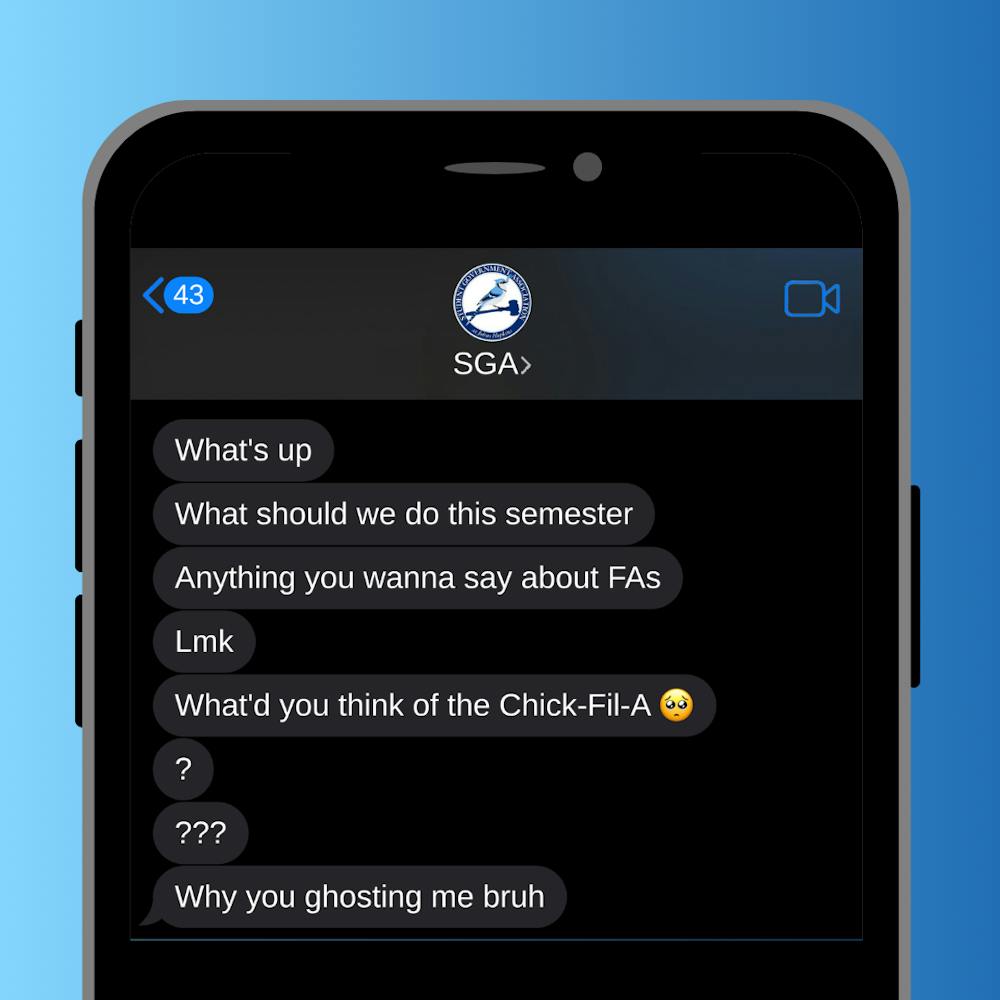
SGA has the potential to implement positive changes for undergraduates, but in order for such efforts to be realized, students must participate in its initiatives. SGA has implemented a number of positive changes for the student body, including free iClicker and Achieve access for students, $4 dollars of printing credit for all students and a Chick-fil-A tabling event to bring about engagement between senators and students. These initiatives demonstrate how SGA can bring tangible improvements to student life and also reveal the importance of participation from the student body. If students are not actively sharing their perspectives about what they want changed at Hopkins, SGA cannot represent their voices and opinions when attempting to shape university policies.
Even when initiatives don’t fully come to fruition, SGA has periodically shown their dedication to amplify student voices. In fall of 2024, when MSE was beginning its first months under construction and the student body had to adjust to a campus without a central library, SGA also pushed for a 5% tuition reduction, mirroring the 10% tuition reduction that was in place when classes were moved online during the COVID-19 pandemic. While the decision to reduce tuition ultimately lies with Hopkins administration, these efforts display SGA’s ability to bring student concerns into institutional conversations.
Although the vacancies have now been filled, this still doesn’t change this fact: SGA’s effectiveness ultimately depends on the student body’s willingness to engage with it. While the organization is able to propose initiatives and advocate for real change, its strength depends on student participation. If the student body hopes to see meaningful improvements across campus, their involvement cannot be passive. Due to these reasons, The News-Letter wishes to see an SGA election season with high participation from the student body: in organizing the elections, running for available positions and voting for candidates.