Hopkins Rhodes Scholar discusses future goals
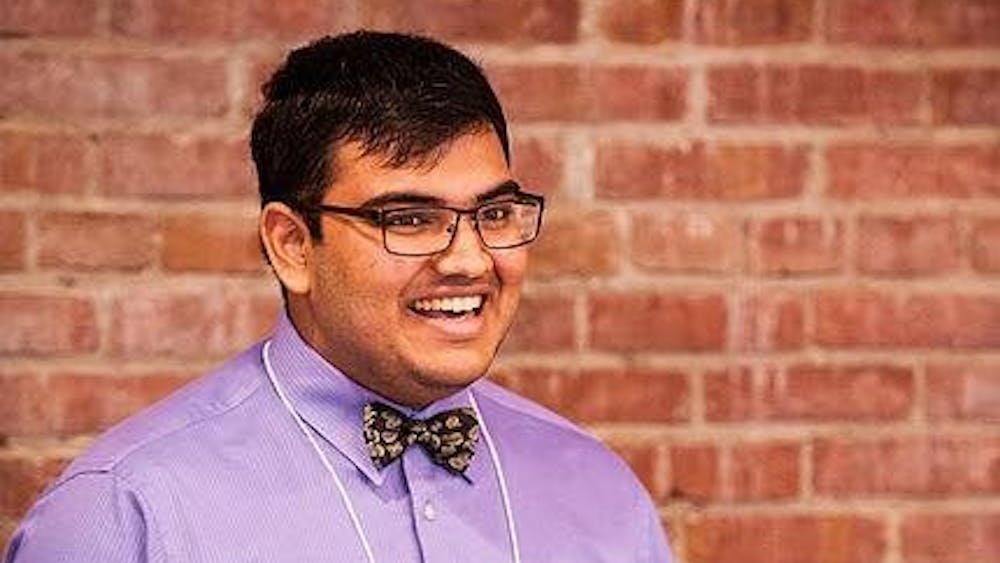
By RUDY MALCOM | December 6, 2018Senior Alaleh Azhir was named a Rhodes Scholar in November, becoming one of 32 American students to receive the prestigious international postgraduate award.
Senior Alaleh Azhir was named a Rhodes Scholar in November, becoming one of 32 American students to receive the prestigious international postgraduate award.
Nurses from the Hopkins Hospital and National Nurses United (NNU), a union of registered nurses, joined local politicians and community members for a town hall event on Saturday at the Reginald F. Lewis Museum. Nurses from the Hospital gave a presentation called “Reputation vs. Reality,” arguing that the institution does not live up to its worldwide reputation.
The Office of Multicultural Affairs (OMA) hosted its first annual Cultural Festival on Saturday. The event featured numerous student groups and offered food, games, music and a glimpse into diverse cultures.
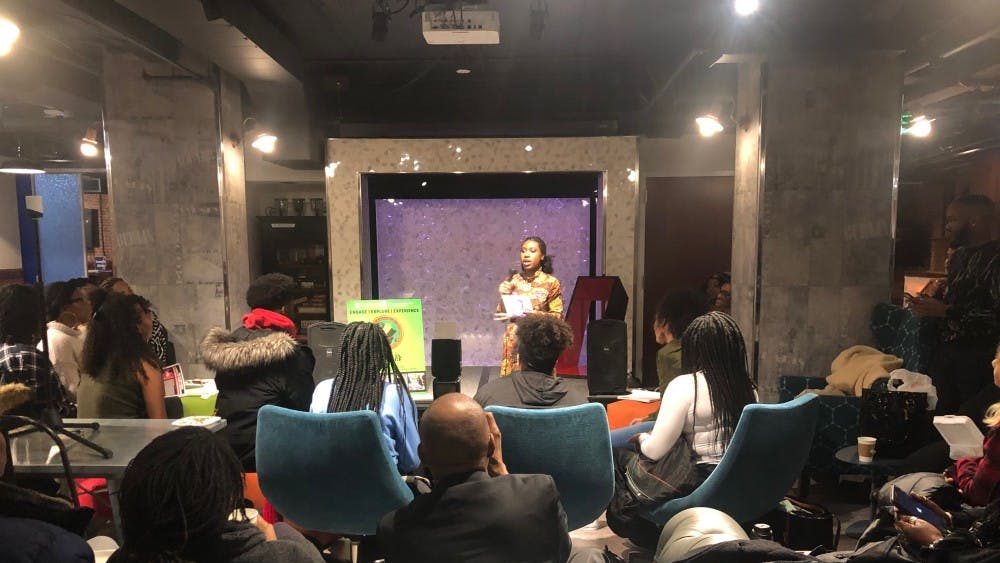
The Baltimore Harm Reduction Coalition (BHRC), a public health organization, held a workshop on opioid overdoses and Naloxone on Friday. The event took place in the SPARC Women’s Center in Baltimore and was lead by speaker Harriet Smith, the executive director of the BHRC.
George Ciccariello-Maher, a political activist and writer, discussed white supremacy and the American political system in his talk “Discourse in the Trump Age” on Wednesday as part of the Milton S. Eisenhower (MSE) Symposium speaker series. Some consider Ciccariello-Maher to be controversial for his radical views, including a tweet from 2016 which read, “All I want for Christmas is white genocide,” which Ciccariello-Maher has stated was satire.
Wes Moore, author of The Other Wes Moore: One Name, Two Fates and CEO of Robin Hood, the largest anti-poverty nonprofit in New York, discussed the human consequences of bad policies on Wednesday, Nov. 29 at the Parkway Theatre. Moore graduated from Hopkins in 2001, after which he earned his master’s at Oxford University.
In 2016, student and faculty representatives from across the nine schools of Hopkins convened to discuss ways to improve mental health on campus. This spring, the Task Force on Student Mental Health and Well-being released a final report, which provided data and recommendations on the climate surrounding mental health at Hopkins.
Senior Art History and Archaeology major Casey lives with hearing loss and tinnitus caused by a traumatic event earlier in her life. During her sophomore year, she decided to book an appointment with the University’s Counseling Center to seek help in coping with her disability.
The Stavros Niarchos Foundation (SNF), a philanthropic organization, donated $1.6 million to the Bloomberg School of Public Health to expand resources for survivors of violence in East Baltimore.
A Place to Talk (APTT), a student-run peer listening service, launched an ongoing campaign titled #KindnessAtHopkins this semester. The campaign, which encourages students to share positive experiences at Hopkins by submission through a Google Form, seeks to shed light on everyday moments of kindness that have affected students.
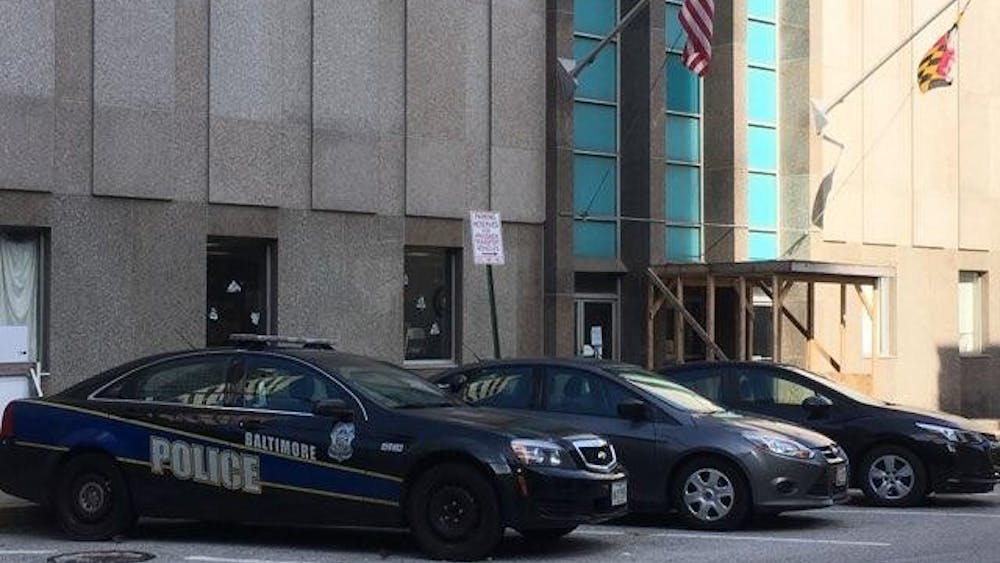
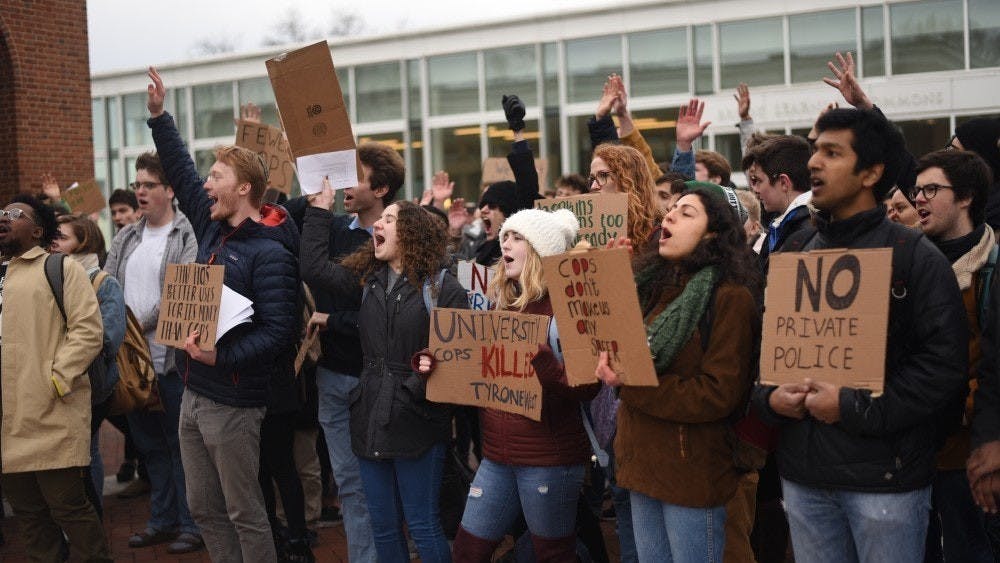
At the second and final open forum in the University’s Public Safety Initiatives series, Hopkins officials revealed new details about their proposed private police force. Community members, however, voiced their opposition to the University’s plans and criticized Hopkins for failing to acknowledge their concerns.
Students involved in Hopkins Kicks Butts (HKB) are currently working with administrators to roll out a smoking cessation program that would give University affiliates resources to help them quit smoking.
The nonprofit Teachers’ Democracy Project (TDP) hosted a panel and discussion on the efficiency of using testing data to judge school productivity on Monday. Participants discussed the school accountability movement, which seeks to hold schools liable for providing a good education for their students.
As the negative impacts of livestock production, food transportation and food waste gain national attention, many Hopkins students are looking for ways to combat these issues on campus.
2020 Democratic presidential candidate Andrew Yang held a rally at R. House on Nov. 15. Yang introduced himself as a serial entrepreneur and a problem solver. In 2011, he founded Venture for America (VFA), a nonprofit organization that trains fellows to build start-up companies in cities across the country.
Students, affiliates and community organizations gathered in Brody Learning Commons to protest the University’s contracts with Immigration and Customs Enforcement (ICE) on Thursday, Nov. 15. This was the second protest of the JHU-ICE contract this semester.
Social justice activist George Lakey spoke at Red Emma’s on Thursday, Nov. 15. to promote his new book, How We Win: A Guide to Nonviolent Direct Action Campaigning. Lakey, who has been active in nonviolent protest movements since the 1950s, shared advice and strategies that could create more organized and effective activism today.
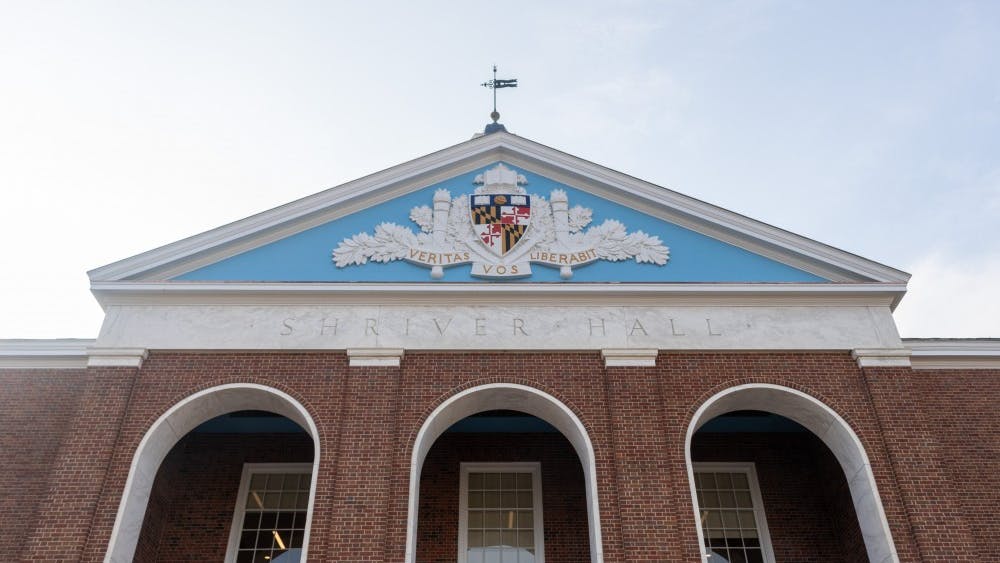
The gift, which will be used exclusively for undergraduate financial aid, is the largest donation to any U.S. college or university in history. It will allow the University to permanently conduct need-blind admissions, which means that family income will not be considered in the admissions process.
An exhibit celebrating 125 years since the establishment of the Hopkins School of Medicine has been on display on Q-level of the Milton S. Eisenhower (MSE) library since Oct. 31 and will remain up until March 18, 2019.
Antero Pietila, a former Baltimore Sun reporter, discussed his new book, The Ghosts of Johns Hopkins at the Union Baptist Church on Wednesday. Catalina Byrd of WMAR-TV’s “Squared Off” moderated the talk.