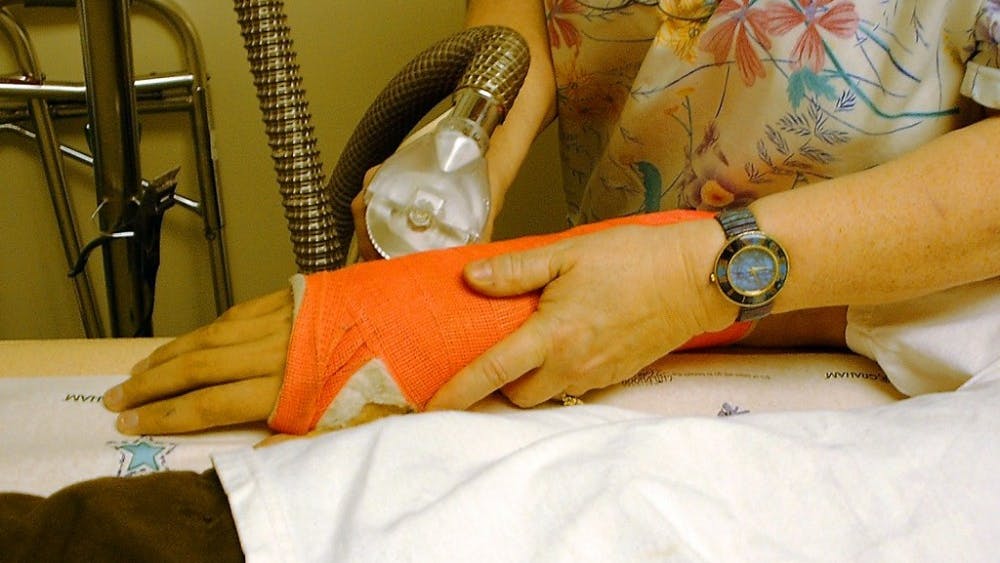
Osteoporosis, a disease that results from an imbalance between bone resorption and bone growth, affects millions of Americans each year. Patients who suffer from this disease have weakened bones that fracture easily under impact, causing pain and problems in mobility. The patient usually does not realize that he or she has osteoporosis until he or she experiences the onset of constant back pain or a sudden fracture. To lower the risk of osteoporosis, doctors recommend exercise and a healthy diet, but there remains no treatment for osteoporosis-related injuries once the patient has the disease.
A recent study done by the University of Sheffield’s Department of Geography discovered that water from melted giant icebergs supports extremely high levels of phytoplankton growth. This melted water contains iron and other nutrients and contributes to an activity known as carbon sequestration.
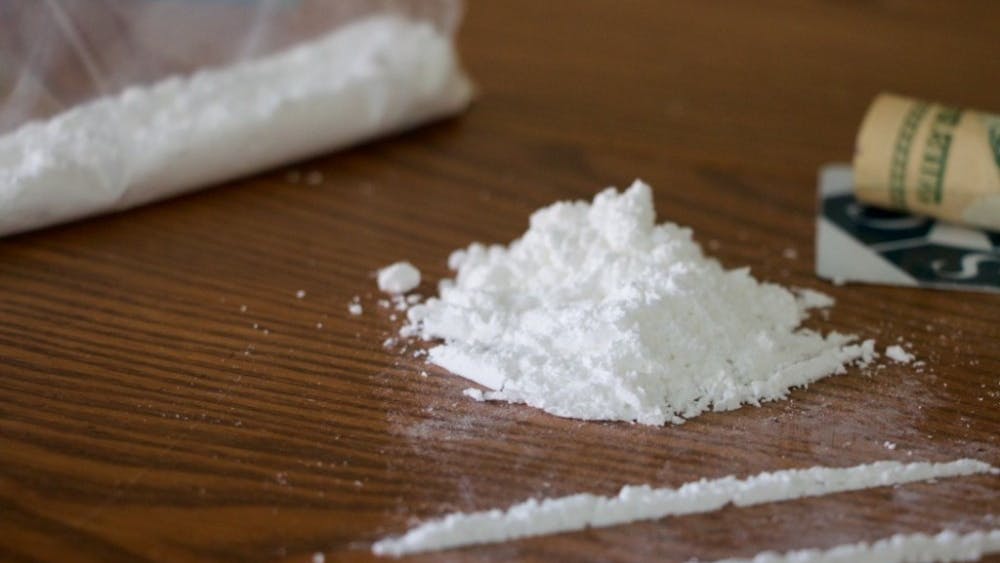
Neuroscientists at Johns Hopkins Medical School have found that compound CGP3466B successfully delivers antidepressant effects to mice within mere hours. This compound, which has previously been shown to block cocaine craving in mice, rapidly delivers antidepressant effects when compared to most drugs, which can take weeks or even months.
By MANISH PARANJPE Senior Staff Writer
By PAIGE FRANK For The News-Letter
Advancements in antiretroviral therapy (ART) in recent years have enabled human immunodeficiency virus (HIV) patients to benefit from fewer side effects as well as less stringent dosing schedules.
By REGINA PALATINI Senior Staff Writer