“This will become tennis Disneyland.”
The remark, made by United States Tennis Association (USTA) CEO Craig Tiley in reference to the US Open, has seemingly proven true. Yet this ‘Disneyland,’ intended to popularize the sport’s appeal, has also attracted spectators unfamiliar with the sport, and not for the better. Videos have gone viral of one spectator using bright lights and another group of spectators filming distractedly, indifferent to the match in front of them.
To this, professional tennis tour athletes have shared their thoughts, some leaning toward the positives of growth in the sport. Others emphasized the added distraction to high-pressure matches.
“People are down there trying to perform, and it’s their career and their job. It seems like a bit disrespectful,“ World No. 3 ranked player Jessica Pegula commented in an post-match interview.
As a highly anticipated summer sporting event in New York of all places, the tournament is inevitably a strong magnet for influencers and content creators. This movement is further reinforced by tournament organizers, as they aim to draw younger, diverse audiences, for example, issuing media credentials to high-profile creators like MrBeast, contracting 15-20 creators for content specifically tailored to the US Open, or popularizing the fan experience, such as selling Honey Deuce beverages with melon (tennis-looking) balls for the Instagram-worthy picture. Still, this does not dismiss the sport's noise etiquette. Distinct from the constant noisy rumble of any other sport field or stadium, tennis courts stay comparatively quiet. A polite smattering of applause, the oohs and aahs, among other verbal distractions are kept to a minimum. The chair umpire, mic’d, even gives an occasional “Quiet please.” Spectator movement is also intentional, timed to happen during breaks. It is like the audience is one with the players, maximizing their focus.
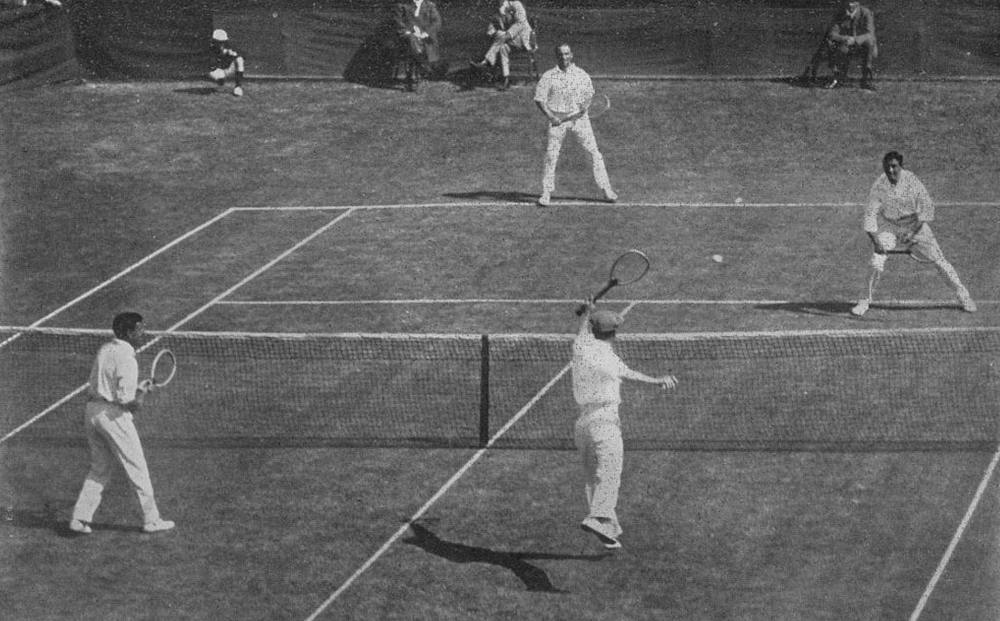
Tennis historical traditions to have quiet crowds can be traced back the sports’ elitist roots, when higher class British culture correlated ‘lawn tennis’ as symbols of leisure and luxury. Aspects like behavioral conduct, including self-restraint, honesty, and game sportsmanship reflected the ‘gentlemaness’ linked with the upper-class. These unspoken expectations greatly affected play structure and strokes where taking advantage of one’s strength through playing at the net and volleying was looked down upon as carrying selfish, aggressive intentions for trying to end the point rather than continuing the rally, or using the drop shot to end the rally was viewed ‘unsporting.’ This behavioral etiquette was underlyingly “...a meaningful source of power, symbol of prestige and tool for social enhancement for lawn tennis players.” Though this restrictive play is no longer practiced to such extreme, certain areas of tennis etiquette are founded on similar underlying principles of sportsmanship and restraint, such as acknowledging lucky net-cord points with a raised hand, not celebrating an opponent’s unforced error, or returning balls safely during warmups and for stopped points.
Dress code also largely reflected status as tennis had thrived under its associations with the British upper class. Influenced by old money aesthetics of European aristocracy of the Victorian era, fashion was shaped as etiquette for matchwear, but also a standard and barrier for those who could afford to play and/or watch. The dress code of blazers and flannel trousers for men and long kilt skirts with corsets for women reflected the material and designs of what was worn to other high-end outdoor leisure activities. Although not ideal for comfortable play or practicality, it was a socially coded sign of affluence. In addition, the ‘all white’ dress became another hint toward the traditional elitist image of tennis, a way to appear more proper by managing perspiration better. Specifically, purity of white signaled privilege because they were the ones able to dress cleanly and maintain the white color all day.
The sport’s upper-class fashion sentiments still reflect in today’s tennis branding. Professional tennis players partner with brands for sporting clothing kits, accessories, travel/tennis gear and other custom luxury items that vary from tournament to tournament. In fact, a style movement dubbed ‘Tenniscore’ has also emerged, combining luxury with leisure through preppy and polished streetwear. In some ways, this trend made tennis fashion a more inclusive part of the game, serving as a ritual and a source of confidence for embracing the game wholeheartedly, pushing the idea that sport extends beyond ‘game play’ alone. To this day, Wimbledon, another Grand Slam tournament like the US Open, upholds an all-white dress code. Even further, there seems to be an unspoken formal and elegant aesthetic shared by attendees as well with fashion coverage from buzzworthy media outlets like Vogue. However, tennis fashion today emphasizes player style and individuality even when somewhat rooted in traditional wear. Recently, four-time Grand Slam Winner Naomi Osaka has taken the sports world by storm with her fashion game. She is one of many figures who has creatively used tennis fashion beyond self-expression: to honor heritage, communicate bold statements and break norms.
Tennis is dynamic, and so is its etiquette. While the sport has progressed tremendously since centuries ago, it has continued preserving the very practices that historically made it distinct. The least one can do when entering a new sports venue is to better understand or educate oneself on what responsible and respectful fandom looks like, enhancing the experience for players performing, fellow fans and, ultimately, oneself. Popularizing a sport does not need to undermine the etiquette that builds its game. Young American star and 2023 US Open Women’s Champion Coco Gauff had fittingly noted, “if you’re being invited to a red carpet, you wouldn’t show up in jeans.” Well, it’s not much different with any sport: respect the players.