The sound of a blender at seven in the morning is usually the herald of a New Year’s Resolution. It’s the sound of frozen blueberries, spinach, protein powder and milk being pulverized into some slush; the kind of health smoothie that promises a fresh start with a healthier body and mind.
But as I stumbled downstairs from my room to the kitchen, half-blinded by the sharp grey January, the air didn’t smell of berries. There was a sulfurous sting of raw garlic, the sharp bite of onions and the grainy, floral sweetness of Korean pears.
My mother was making the “slushie” base for kimchi.
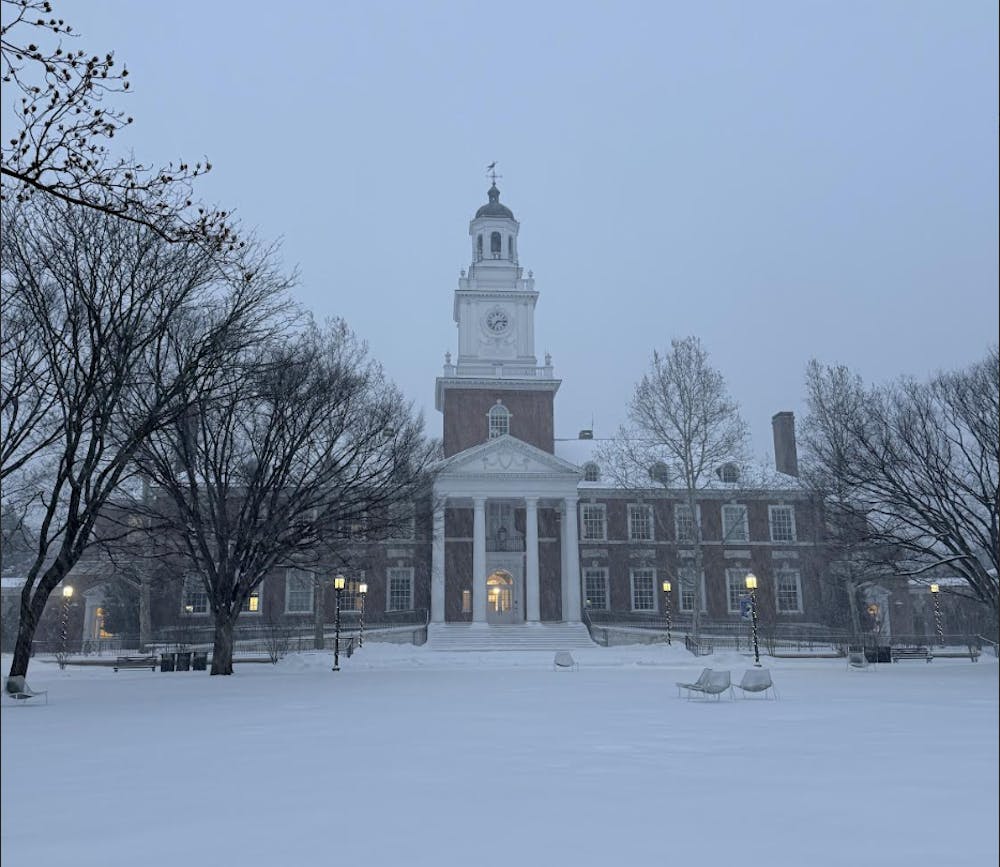
I watched her pour the white frothy mixture into a massive stainless-steel bowl, followed by a violent heap of gochugaru, or ground red pepper flakes, that turned the pale liquid into an angry crimson. Then came the fermented anchovy sauce to anchor the spice with an earthy funk. Outside, the world was locked in a brittle frost, the trees standing like skeletal needles. Inside, my mother was elbow-deep in a red sea of salted cabbage, performing a ritual of preservation that felt less like cooking and more like alchemy.
I like to think of the process of making kimchi as a mirror for the process of living. There is a specific kind of violence to it at first. The cabbage is hacked apart and buried in salt until it wilts. It reminds me of those “salty” seasons of life where we have moments in which the weight of expectations or a long, exhausting winter seems to drain the crispness right out of you. We have all had days that feel like being brined; we feel smaller, more brittle, and perhaps a little more broken than we were the day before.
But standing there in the kitchen, watching the red paste coat every leaf, I see that the salt is just there to prepare it for the spice.
And I would compare the red pepper spiciness with passion. It’s the heat, the “kick,” the intensity that keeps me moving even when the sky is flat, uninspiring. It’s the part of us that refuses to be bland. And I think that passion alone is boring; it needs that fishy depth of our complicated experiences and the sweetness of the pear.
I find the beauty of this process in the fact that kimchi is edible at every single stage, and each stage has its own value. There is the geotjeori, which is the fresh, unfermented version. It’s crunchy, brash and immediate. It’s the newness of a project or the high-energy start of a new year. It’s delicious, though it lacks the wisdom of time.
The real transformation happens once the hangari, or traditional Korean ceramic jars, are sealed. My mother tucks them away into the cool, dark corners of our kitchen. To an outsider, it looks like nothing is happening. It looks like cabbage rotting away in a jar of red salt. But underneath the surface, the sharp, aggressive heat of the garlic is mellowing; the cabbage is absorbing the spice, getting better, deeper and more complex as the days move.
I think we are often in our hangari phases without realizing it. We feel stuck in the winter, buried under the cold routine of January. We feel like we’re just sitting in the dark, waiting for our lives to start fresh again. And maybe that “sitting still” is the most important part of our making. We’re being cured and seasoned.
As I watched my mother seal the last jar, I realized that I don’t need to be “finished” yet. I am currently a mixture of things: a bit of the salty, tired cabbage, a healthy dose of spicy ambition and a lot of raw ingredients that still need to mellow out.
So I find that sometimes the “making” of life is the act of sitting in the dark and trusting that we are becoming something better as time moves on. The blender eventually went silent, leaving the kitchen in a ringing quiet. Then, the jars were lined up like soldiers, ready for their long winter wait.
Outside, it was still cold, but for a moment, the waiting felt like progress.
Kathryn Jung is a freshman from Silver Spring, MD, majoring in Biomedical Engineering. Her column reflects the process of creating and how the small things we make, notice and hold close bring meaning to everyday life.