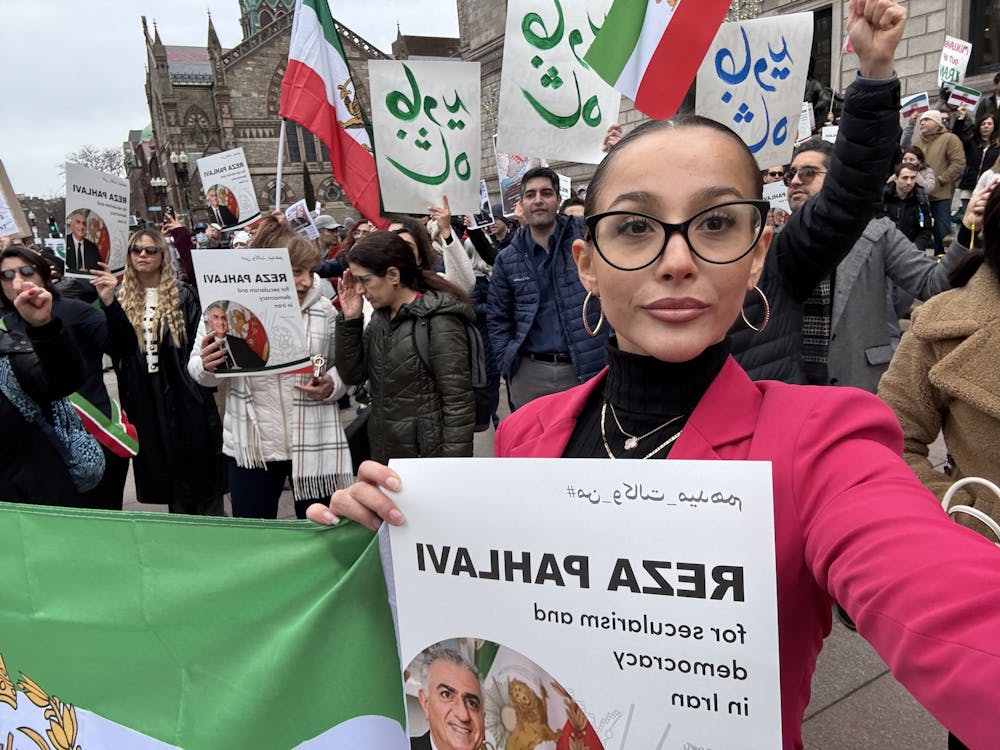
Currently, Iran is facing a political and humanitarian disaster. But most headlines only scratch the surface of the country’s state. As an Iranian American, I write here with a deep love for both the country and its people. In January 2026, Iran witnessed one of the deadliest crackdowns on the protests and nationwide descent of its modern history. What began as frustration over worsening living conditions and economic concerns has grown into mass demonstrations for freedom and democratic change. Even as security forces escalate violence against peaceful demonstrators, the people refuse to stop.
The demonstrations, which began in December 2025, have escalated into one of the largest expressions of civil resistance in three years since the murder of Mahsa Amini, who was brutally beaten by morality police for allegedely breaking the compulsory veiling laws. The Islamic Republic has responded to peaceful protests with violence, mass detentions and sweeping internet shutdowns designed to silence protesters and block the regime’s abuses from global scrutiny.
I believe it is critical to clearly distinguish the Iranian people from the Iranian regime. I unequivocally condemn the use of force against citizens exercising their fundamental rights, including freedom of expression and peaceful assembly. As someone fortunate enough to be able to use my voice, I believe that all of us who possess free speech have a responsibility to speak up when Iranian citizens cannot.
I recently spoke with a relative in Iran who, after weeks without internet access, described the situation on the streets. “They don’t spare people anymore,” he said. “If your hand comes out of your pocket, they used to beat you. Now, they just shoot. People can’t even chant slogans from their homes anymore. They shoot anyone they hear.”
Millions of Iranians have made it clear that they are willing to, unfortunately, die for their freedom and they're just begging for a lifeline right now, calling for the world to hear their cries. As free individuals in the U.S., we have a responsibility to stand with the people of Iran by raising awareness, supporting access to uncensored information and holding human rights violators accountable.
If there is anything I ask you to take away from this, it is the recognition of the responsibility we hold to urge U.S. politicians to support the Iranian people. Encourage and spread awareness for the policymakers to continue advancing measures that expand digital freedom, protect human rights, and amplify the voices of the Iranian people risking their safety for a liberated and democratic future.
The time for a decision is now. Not next month, not after more studies, not when conditions are perfect, but now. On that decision hangs not only Iran’s fate but also the moral credibility of the entire international order we claim to defend. We can support the Iranian people’s efforts to remove the mullahs, or we can watch another opportunity for freedom slip away while we hesitate. I urge each of you to get involved with the social activism scene locally supporting Iranian efforts for change. This can be as simple as reposting an Instagram thread or participating in a demonstration in Washington, D.C.
You do not have to be experts in Iranian politics to support it. Get involved with organizing teach-ins, attending solidarity protests, calling congressional offices, supporting Iranian student groups and using your platforms to share verified information about what is happening. These actions may feel small, but they matter because you hold freedoms that protesters inside Iran do not: the ability to speak publicly, assemble safely and pressure institutions without fear of arrest.
Ariana Goli is a freshman from Boston, Mass. majoring in Biomedical Engineering.