Right place, right time
By SAREENA NAGANAND | May 1, 2026We don’t see it during the moment itself, but every circumstance has the potential to turn into a fond memory – all it takes is being fully present.
Hopkins is a diverse university where an incredible mix of cultures, academic interests and personalities coexist and thrive. Here is the section where you can publish your unique thoughts, ideas and perspectives on life at Hopkins and beyond.
We don’t see it during the moment itself, but every circumstance has the potential to turn into a fond memory – all it takes is being fully present.
Art is what happens when hard work brings the artist and their audience together to glimpse something meaningful about human experience.
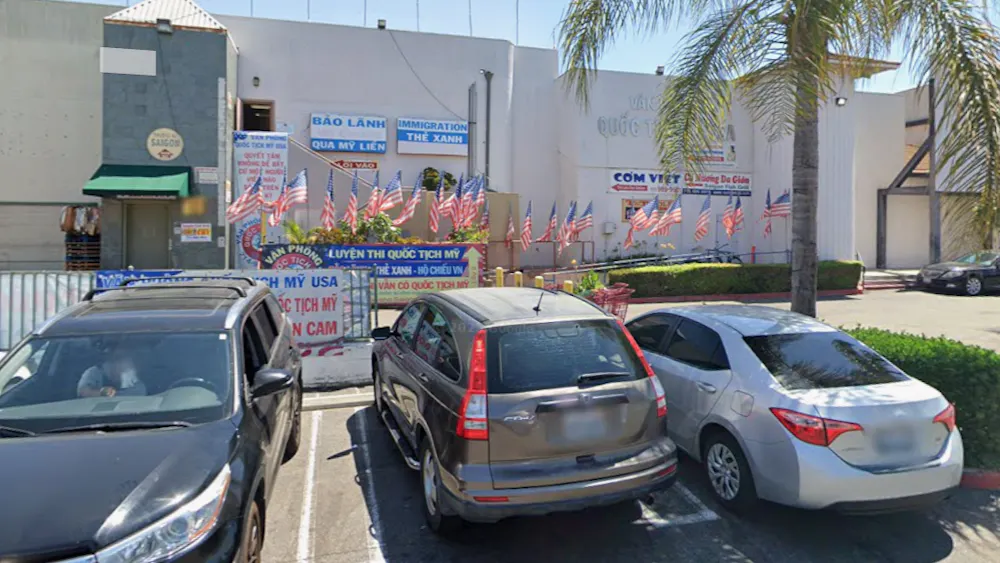
When we first moved to Vancouver, my parents held out only a few weeks before their homesickness set in, rising like a fever. They booked their first flight back to China three weeks later. Then the flights home stretched to become months apart, then every half-year, until it was just once a year.
My driving journey so far has been a vessel for my journey of self-discovery. When I started to drive, I didn’t trust myself with such a powerful machine. Every time I sat behind a car wheel, I stepped out of my comfort zone. But with each successful trip I took, I told myself, “It wasn’t too bad, right? You can do it next time, too!”
My grandma was an English minor at her state college in Missouri, and perhaps selfishly or reductively — sorry, Grandma — I want to consider this the feat of her studies, the capstone. Every night, she respun Goldilocks into new configurations and mischief for me. She dragged the girl into modern context like a sorry child to the principal’s office.
Two weeks ago, I decided to go to Hong Kong over spring break. It was impulsive. I had been there before — once as a child, and again in 2019. But somehow, I barely remembered any of it. This is the second time in a relatively short span that I have found myself writing about Asia, which probably says something about the kind of year this has been. More than ever before, I have been thinking more seriously about identity, what feels like home and how much of it is something I only recognize once I’ve been away from it.
What do my archives look like? What have I kept that I’d like to get rid of? What have I thrown away or deleted that I wish was still around?
I have never been the most skilled player, but if you ever happen to be at the Rec at eight on a Tuesday night, look at the basketball court. You’ll probably see a myriad of swishes, some lucky shots, a behind-the-back pass or two and a few people just running up and down the floor, enjoying themselves.
During long car rides as a child, I recall having one mission besides measuring our travels by counting the milemarkers outside: I had to find something beyond the window along our journey to “own.”
When the summer heat has subsided, and the sun casts a liquid saffron in the rippling bank waters of the Loch Raven Reservoir, my father and I gather up hooks, lure and rods to set out fishing.
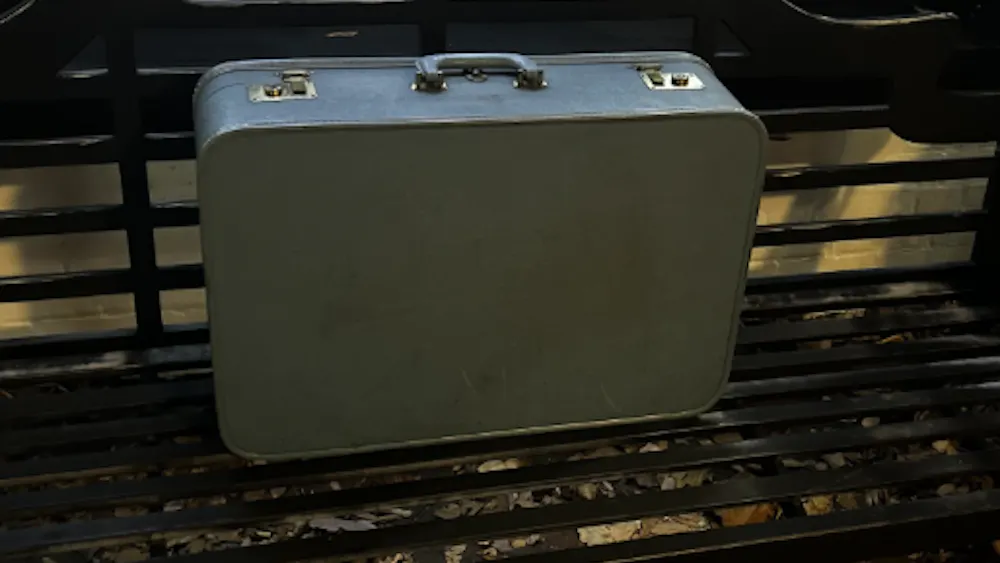
Founded in 2009 by Brandon Doman, The Strangers Project began as a simple yet powerful idea: to collect anonymous, handwritten stories from people around the world and share them in a space where anyone could read them. What started as a small project has grown into a global collection of human experiences stories filled with honesty, vulnerability and emotion.
Two weeks ago, I had an incredible stroke of bad luck. Nothing was ever that serious, but minor inconveniences and unfortunate happenings followed me around like a fever I couldn’t shake.
The night before a Cells exam never fails to remind me of how little I feel like I know. No matter how many hours I have spent reviewing, tracing pathways, being able to recall the text on the slides by just looking at the title, the moment I start working through the backtests and study questions, everything seems to fall apart.
I despise small talk. And it’s all over social media, too. When did it become necessary for “friends” I haven’t spoken to in years to flood my comments section with “gorgggg,” or “you’re so adorable” or “marry me pls.” I don’t really want to marry you, random stranger whose Instagram handle I barely recognize.
I’ve been thinking about my arrival at Hopkins a lot, especially because my amazing academic advisor Christine sent me an email talking about the big decision I will have to make soon: declaring my major.
I guess I really wasn't going to ever see you again. Everything is different; I live in a different world now. Baltimore is a different world.
I’ve spent too many years huffing and puffing up small flights of stairs. I wouldn’t know my way around a gym, so to spare myself some embarrassment and get in shape, I’ve decided to start taking long walks instead.
Yet, as the semester went on, all these initial promises of friendship began to fade. I’ve always heard that college is a chance to “find our people” and cultivate “lifelong friendships,” but I wasn’t sure how that happened.
Recently, however, I came to a realization: if I am so careful about what feeds into my body, why don’t I exercise the same selectivity for what feeds into my mind?
For those who aren’t familiar with the term, giving a “lifeline” refers to telling someone your entire life story, from beginning to end, and it is how we kick off every semester of APTT training: by sharing whatever feels important to us about our lives with the members of our small training group.