Crooked teeth linked to stress in early life
By ISAAC CHEN | April 27, 2017The theory that early life experiences during prenatal and postnatal periods can increase susceptibility to chronic diseases in adulthood is becoming more widely accepted.

The theory that early life experiences during prenatal and postnatal periods can increase susceptibility to chronic diseases in adulthood is becoming more widely accepted.

Continuing this year’s theme “Unconventional Medicine,” Conversations in Medicine (CiM) presented the symposium’s final talk given by space physician and flight surgeon Dr. Jonathan Clark on April 17.

In Andy Weir’s novel The Martian, Mark Watney colonized Mars by growing potatoes from his own fecal matter. In reality, that small piece of science fiction may not be so fictional after all.

The circadian rhythm, also known as the biological clock or sleep-wake cycle, governs people’s sleeping habits. The biological clock works over a 24-hour period to maintain recurrent daily changes at both the microscopic cellular and macroscopic behavioral levels.

Two sociologists working at Boston College recently discovered that carbon emissions exhibit a trend of being higher in states where there is a more concentrated high-income population. On a larger scale, this trend is consistent with the positive correlation between national wealth and carbon emission levels.

A number of attempts to cure blindness in humans have emerged among researchers. The use of stem cells to aid regeneration of eye tissue as well as Vitamin A therapy for the treatment of retinitis pigmentosa, a condition that is characterized by the deterioration of the retina, are two possible cures for blindness.

The field of stem cell research is an area rich with discovery and hopes, especially within the past decade. The use of stem cells has demonstrated exponential growth in its ability to provide solutions to various health issues, which include treatments for healing burns without scarring and stem cell implants for individuals with heart disease.
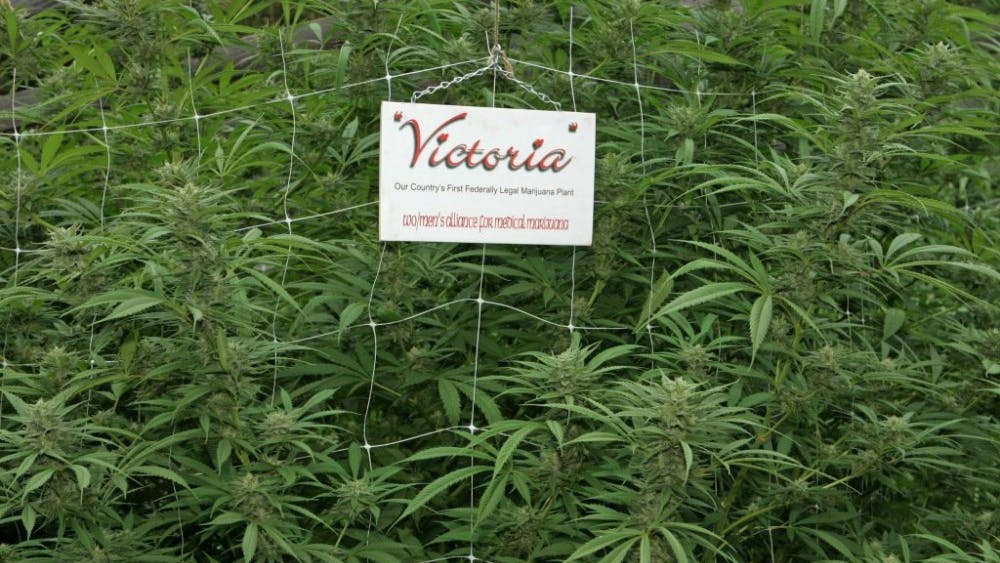
Although marketed as legal or safe alternatives to marijuana, synthetic cannabinoids, also known as “K2” or “spice,” have highly toxic effects in their users, in stark contrast to regular marijuana. Scientists at the University of Arkansas for Medical Sciences recount the adverse effects produced by these compounds, which probably activate various receptors, in their review of existing research on synthetic cannabinoids.

A recent study led by Sang-Il Seok, a professor of energy and chemical engineering at Ulsan National Institute of Science and Technology (UNIST), developed a solution to support a new type of perovskite solar cell (PSC) in collaboration with researchers at the Korea Research Institute of Chemical Technology. Their findings were accepted for publication in Science in March 2017.

Billions of highly specialized cells run through our veins. They make up our blood, a fascinating fluid that plays the significant roles of transport as part of the cardiovascular and respiratory systems and of pathogen detection and elimination in the immune and lymphatic systems.

More than ever, Americans are embarking on spiritual, meditative and religious retreats as a means of enhancing their mental and physical wellbeing.

Researchers at Rice University recently studied the effects of loneliness on the symptoms of the common cold. They found that patients who identified as lonely reported more acute cold symptoms while more sociable patients tended to report feeling less under the weather.

Lead is a common element found in many different everyday objects. Despite the widespread knowledge of its toxicity to the human body, or any biological system, lead continues to be mined and used in items ranging from handheld electronic devices to batteries in cars to x-ray protective shields at the dentist’s office.

Public Health Studies undergraduates pinned on their nametags, set up their poster boards and hosted the eighth annual Undergraduate Conference in Public Health on April 8. Flocking to the Charles Commons Salons, these students were ready to present their research in the field of public health.

In accordance with current trends of animal endangerment, the brown howler monkey community has lost thousands of members. The brown howler is a New World monkey native to southeastern Brazil that has recently experienced declines in population due to mortality from yellow fever exposure.
U.S. President Donald Trump recently signed a $19.5-billion bill to fund the programs of the National Aeronautics and Space Administration (NASA), including NASA’s long-term goal to send humans to Mars by the 2030s.

A new study has found that certain species may be more intelligent because of their diet. The discovery has thrown into question the scientific consensus that a species’ sociality determines its intelligence.
Google and Howard University recently announced that they have partnered to create Howard West, a satellite campus in Mountain View, Calif. for black computer science majors.

In 1967, Dr. Christiaan Barnard performed the world’s first human heart transplant. Since then, organ transplants have continued to save millions of lives.