In abnormal times, a supportive Hopkins community must be our new norm
By THE EDITORIAL BOARD | April 16, 2020We don’t know when we will next be on campus, but someday we will be. And when we are, things will not be as they once were.

The opinions presented below are solely the views of the author and do not represent the views of The News-Letter. If you are a member of the Hopkins community looking to submit a piece or a letter to the editor, please email opinions@jhunewsletter.com.
We don’t know when we will next be on campus, but someday we will be. And when we are, things will not be as they once were.
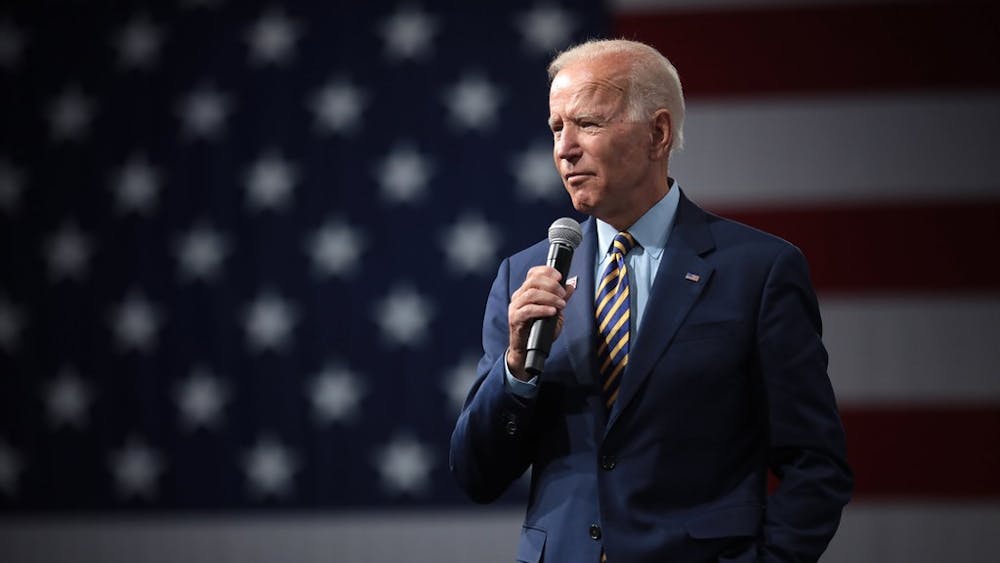
Dear Joe, Congratulations! You did it. Bernie is out, and you must be overjoyed to be in the position you’re in. The path to victory is clearer than ever, and it’ll be you and Trump (most likely) in November. Great.

You’re sitting in front of your screen staring at YouTube. It is 3 a.m. on a Wednesday morning, a school day, or so you used to think. The images on the screen start to merge into a blur, and you cannot help but wonder how long it has been since quarantine started. Two weeks? Three weeks? You can’t be sure.
Senator Bernie Sanders suspended his campaign for presidency on Wednesday, April 8, just under a week ago. Although the news seemed like it was bound to come eventually, the senator’s announcement still felt both sudden and monumental.
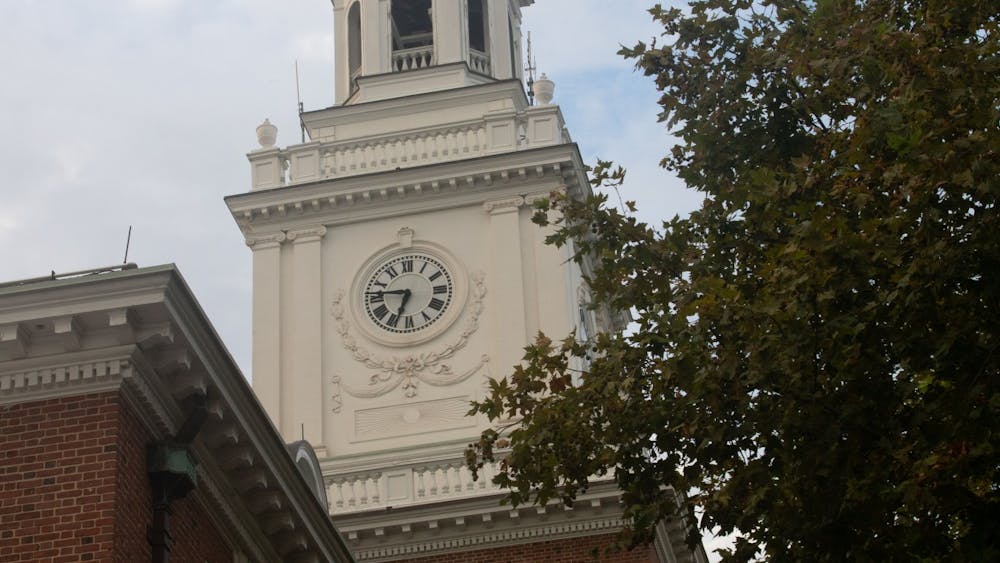
With the current coronavirus shutdown, ongoing development initiatives of our Hopkins community have been considerably challenged. Despite these hardships, it is important that we don’t forget the vibrant campus we once enjoyed and the progress that still needs to be made to build an even stronger community at Hopkins.
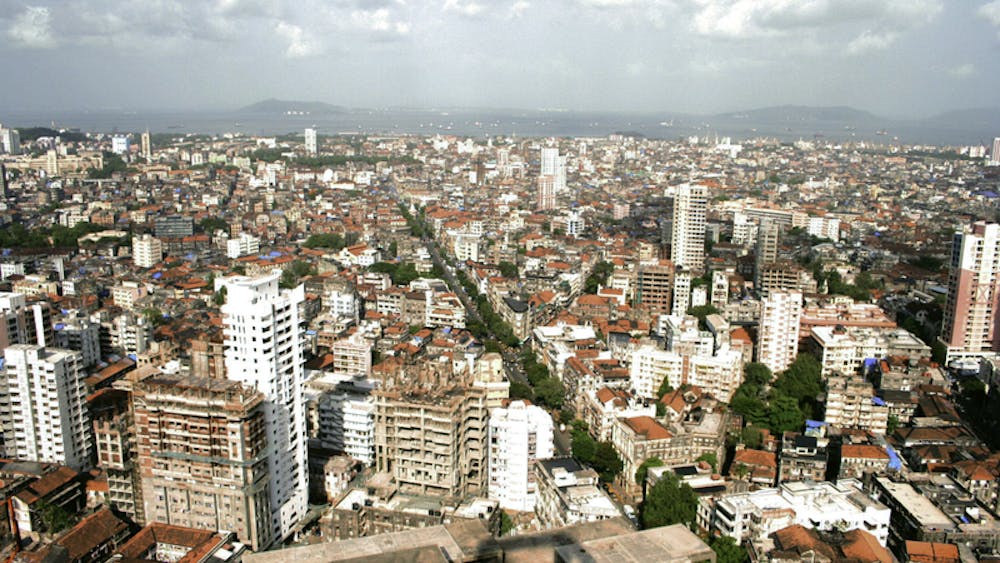
Indian Prime Minister Narendra Modi sanctioned a 21-day lockdown on March 24. He told the nation’s citizens that as a preventive measure to slow the spread of the coronavirus (COVID-19), they were not to leave their homes. The true brevity of the lockdown is difficult to quantify.
Perhaps one of the greatest disappointments for these students is that they no longer have the final concerts or recitals that are central to their education. They must sing, play or dance alone, without an audience, a stage or accompaniment. They do not have the most important platform they need to demonstrate what they have learned this year.
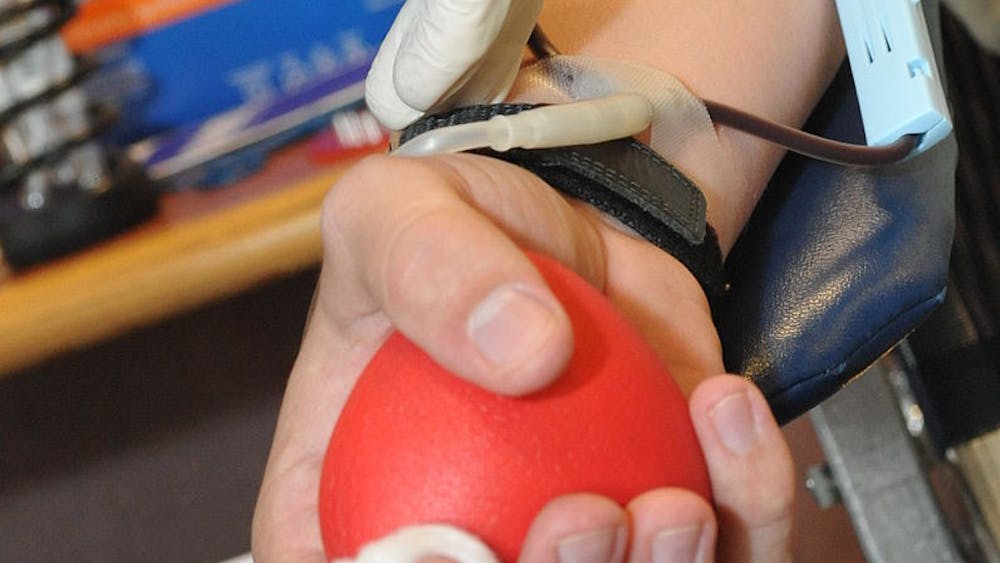
The coronavirus (COVID-19) outbreak has decimated the nation’s blood supply. Amid the closures of schools, churches and other organizations, thousands of blood drives nationwide are being canceled at an unprecedented rate. In addition, social distancing guidelines and shelter-in-place orders have kept people away from blood donation centers. Yet individuals battling life-threatening conditions still depend on a stable blood supply.
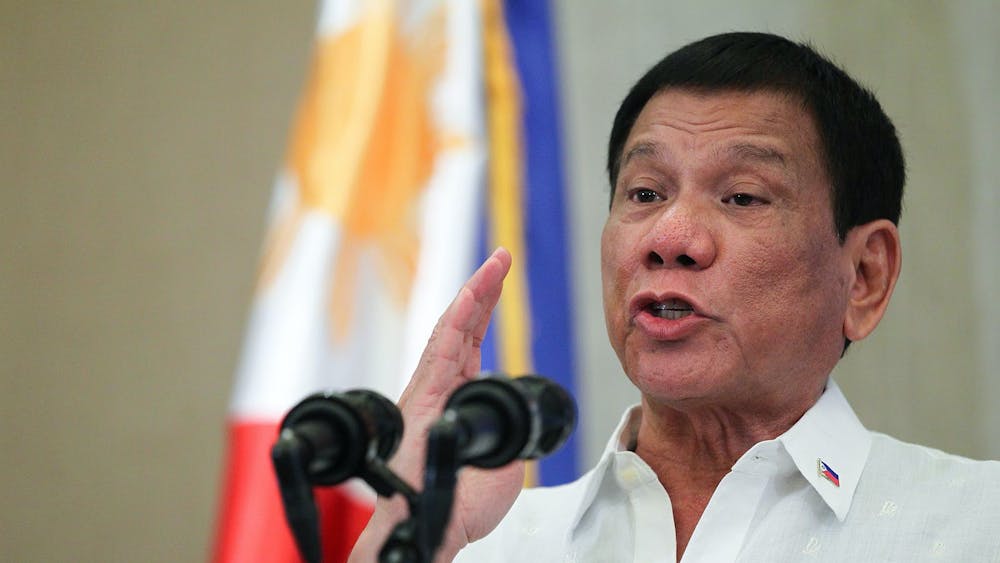
In the age of widespread internet usage, many Americans debate whether they should forfeit their privacy in the name of public safety and counterterrorism. But in the newfound period of the coronavirus (COVID-19) quarantine, Americans are struggling with the question of how much freedom they should forfeit in the name of public health.
Over the last few weeks, panic over the coronavirus (COVID-19) pandemic has swept the nation. Now more than ever the University needs to support students, particularly when it comes to their mental health.
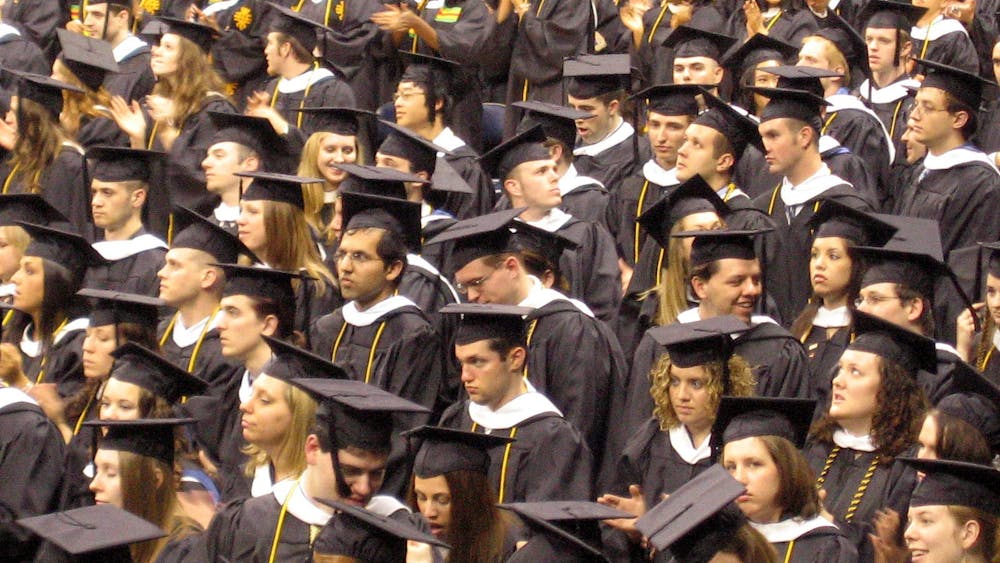
Hopkins announced that all spring semester classes must be graded as Satisfactory or Unsatisfactory (S/U) on March 27. I’ve been hurt by the mandatory S/U policy. So have many-to-most other seniors. I would like the policy to include an exception for students graduating in May.
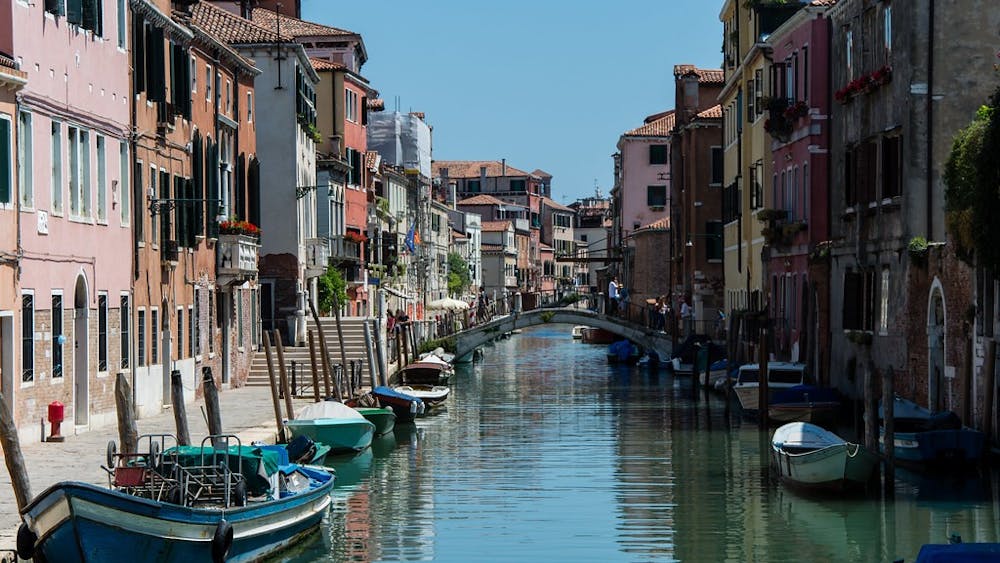
I remember scrolling through Twitter about a week ago and seeing pictures of the canals in Venice. They were crystal clear, there were fish swimming and the swans had returned — I didn’t even know the Venice canals attracted swans!
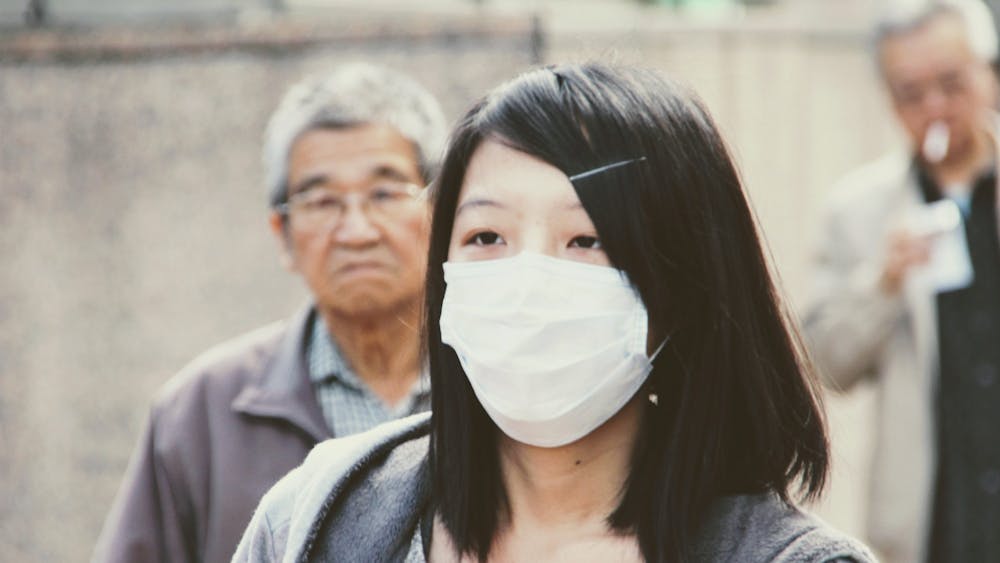
2020, the Lunar New Year of Rat, was accompanied by an unexpected outbreak of a mysterious yet pernicious virus that started in Wuhan, Hubei Province, China.
It was Wednesday, March 25 at 6 p.m, day 10 of my self-quarantine. I was in my kitchen watching a recording of a Korean news report from the night before, phone in hand, notifications flying off from multiple group chats and Facebook posts about the grading policy for the semester.
Restrictions on student groups. Spring Fair restructuring. Progress on (and ongoing opposition to) a private police force. Not long ago, we thought these were among the year’s biggest stories. Then came one headline to top them all: Students sent home.
I’ve had the following experience many times, both at and away from Hopkins. If I say that I am a Democrat, or if I voice my opinions toward a democratic ideology, I sometimes get a weird look, a look of suspicion and disgust.
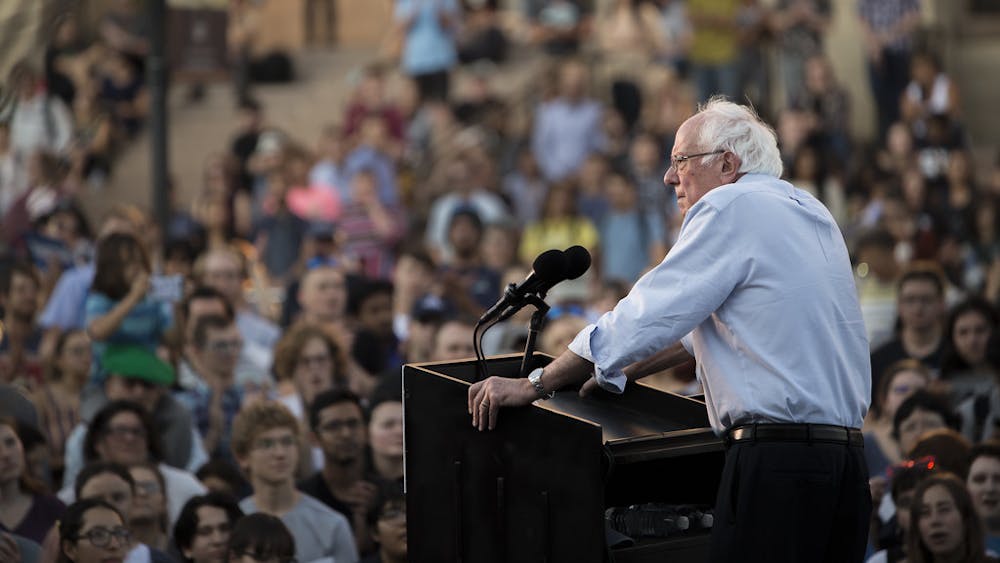
Hope. For millions of people, both Americans and not, Bernie Sanders’ “Not Me, Us” movement has given hope that change is possible. The passion people have carried for that hope has been marked as aggressive, naïve and disorderly.
Hopkins is one of the most powerful institutions in Baltimore. It is the city’s largest employer: over 17,000 of its 37,000 employees are Baltimore residents. As a world-renowned university with an endowment of over $4 billion, Hopkins has the means and the responsibility of creating a more equitable economy for our city’s residents.
Though necessary, the University’s decision to send students home and transition to online courses after spring break due to the coronavirus had students scrambling. We were forced to quickly rethink travel and living arrangements, pack our bags and say our goodbyes, without even knowing when we’d return to our friends and community.
Readers have recently seen some of the paper’s first coverage of the protests in Hong Kong, a clash between demonstrators and state forces over China’s executive authority in the city. Though these protests having been happening since last June, they didn’t reach Homewood Campus until Joshua Wong and Nathan Law, two activist leaders of the Hong Kong movement, spoke at Shriver Hall on an invitation from the Foreign Affairs Symposium (FAS).