After helping me move all my stuff into the first floor of Griffin house, my parents dropped me off right outside AMR II. I hugged them once, tightly, and walked through the security gates. Then I unlocked my dorm door and started unpacking my clothes. I felt fine — a little dazed from so many changes at once, yes, but I wasn’t crying. That night, my roommate and I walked to Homewood Field, where I found First-Year Mentor (FYM) Group 75 sitting in a circle. I remember sitting there, shaking hands with the first few people I met as an undergraduate, listening to orientation leaders welcome me to Hopkins. I thought about the thousands of people around me, a whole class of people I’d be living with for the next four years, none of whom I knew. All the people I did know were at least a hundred miles away. Not that far, I know — I’m only from New Jersey — but it still felt massive. Even then, I felt alright. I figured out how to use the communal shower, set my alarm and went to sleep.
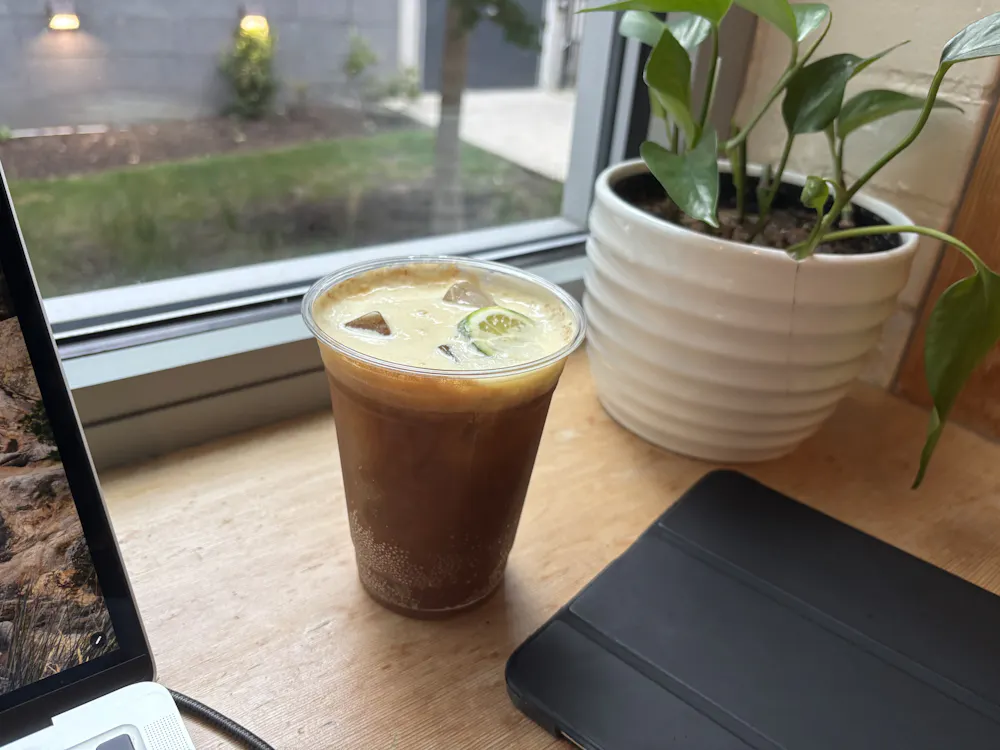
It was somewhere in the middle of the second day that it hit me: a sense of isolation and homesickness. After showing up late to my first FYM group meeting with a cup of half-finished decaf coffee (the only thing available in Hopkins Cafe) and an incoming migraine from the lack of caffeine, I watched the other members of my group form friendships in the first few days. Though I smiled and walked with the group and held conversations about names, majors and hometowns with people I met at Hopkins Cafe, I didn’t see myself forming all the relationships I thought I was supposed to be forming. I felt lost. I wasn’t great at small talk, and, most importantly, I didn’t know how to make friends. I’d met my high school friends by chance; I hadn’t tried to make them.
Fall semester passed quickly, and the sense of isolation persisted. Birthdays passed. I called my family and high school friends often. Most of my time was spent in the library. I’d made some friends — people I got lunch and dinner with, someone from my FYM group who would eventually become my roommate for the next three years — but I felt that I was missing out on what most people had already: a “college experience.” I was told it meant staying up until 4 a.m. with friends, partying late, getting drunk, having weekends filled with plans. This, I didn’t have.
At Hopkins, my friends took time. I met two of my close friends freshman year, two of my close friends sophomore year and a whole bunch of friends junior year. The canonical “college experience“ too, took time, and it didn’t take the forms I’d expected. Sophomore year, I stayed up until four talking with a friend I’d met by chance after asking him to review a poem I’d written. I also went to my first party that year, a Halloween party which I didn’t like as much as I thought I would. Junior year, I went on my first spring break trip with my friends, a week-long trip to Montréal.
These experiences weren’t what I’d envisioned in my freshman year, and they weren’t the relationships I’d seen others making in that first week of orientation. They were mine — experiences that I liked, friends that I connected with, in my own way. Over the last three years, I learned that my favorite things to do with friends were bake pumpkin pies in their houses and play Settlers of Catan until 12 a.m. For you, they might look different. There’s no right answer — and looking at others to figure out how you’re supposed to be living might be the wrong answer. So for any incoming or current student who might feel isolated in college relative to their peers, just remember: college looks different for everyone. And if your college experiences take a little more time, or you feel out of place, I ask you to trust yourself. You’re not alone.
Lana Swindle is a senior majoring in Philosophy and Writing Seminars from Princeton, N.J. She is a Copy Editor for The News-Letter.